
For the very latest announcements & news, please visit us on Facebook at: https://www.facebook.com/indianbayecosystemcorp
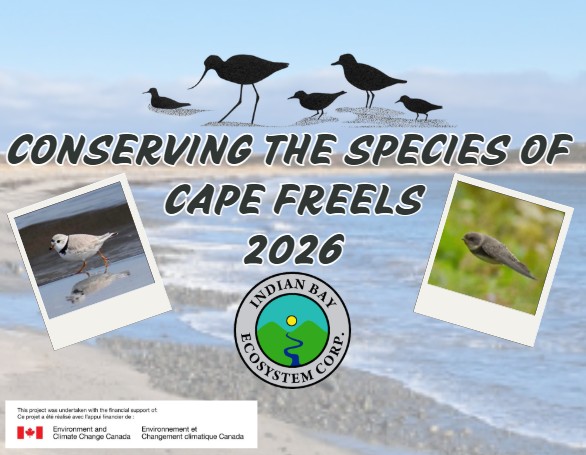
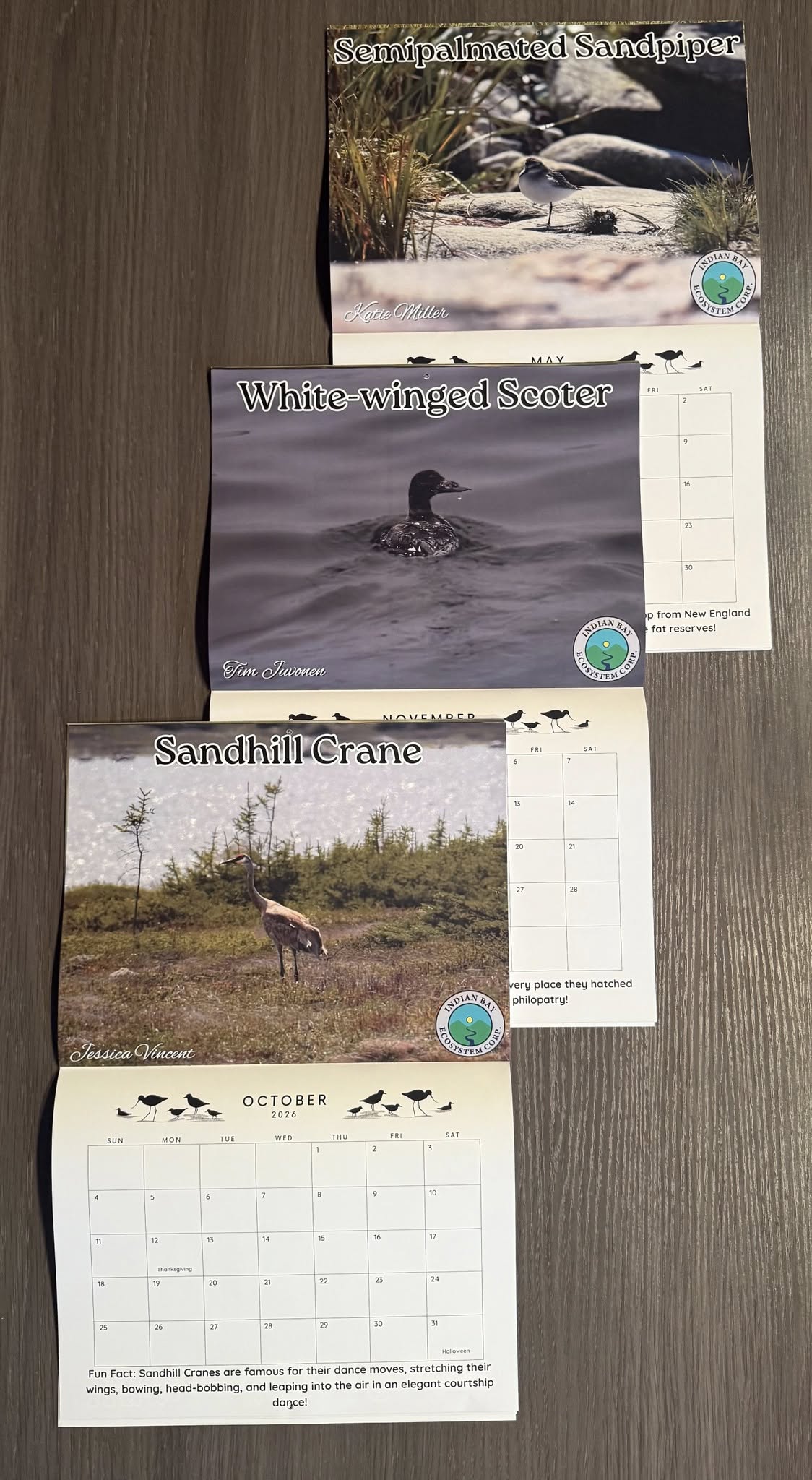
December 12th, 2025 – IBEC 2026 Cape Freels Bird Calendars Have Arrived!


These lovely calendars show some of the many species of birds that visit within our project area each year, while explaining why the area is so important to each of them 
They are available for pickup here at our office in Indian Bay during regular business hours. If you’ve commented on our previous post asking for one, we’ll be in touch with you in the near future to make arrangements to get a calendar or two in your 
Calendars are free, but we gladly accept donations as we are now a registered charity! If you haven’t informed us you’d like one, just comment below and we’ll be in touch!
This Community-Nominated Priority Place (CNPP) for Species at Risk project, based in Cape Freels, is undertaken with the financial support of the Government of Canada through the federal Department of Environment and Climate Change.
October 30th, 2025 – Co-workers Contracts End For The Season 
The end of the trapping season for our European Green Crab contract with DFO means it is also the end of the work-term for a couple of our colleagues.
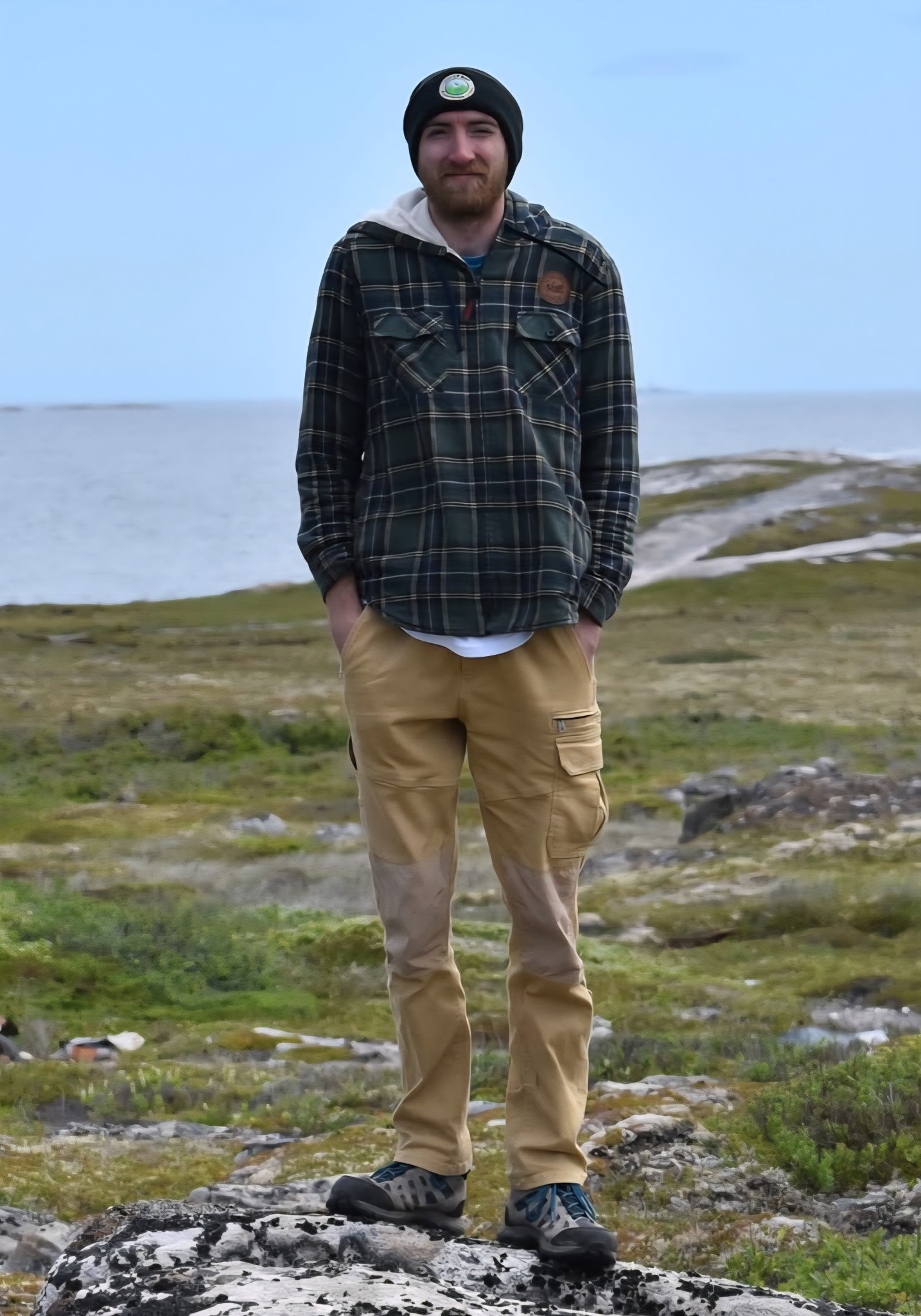
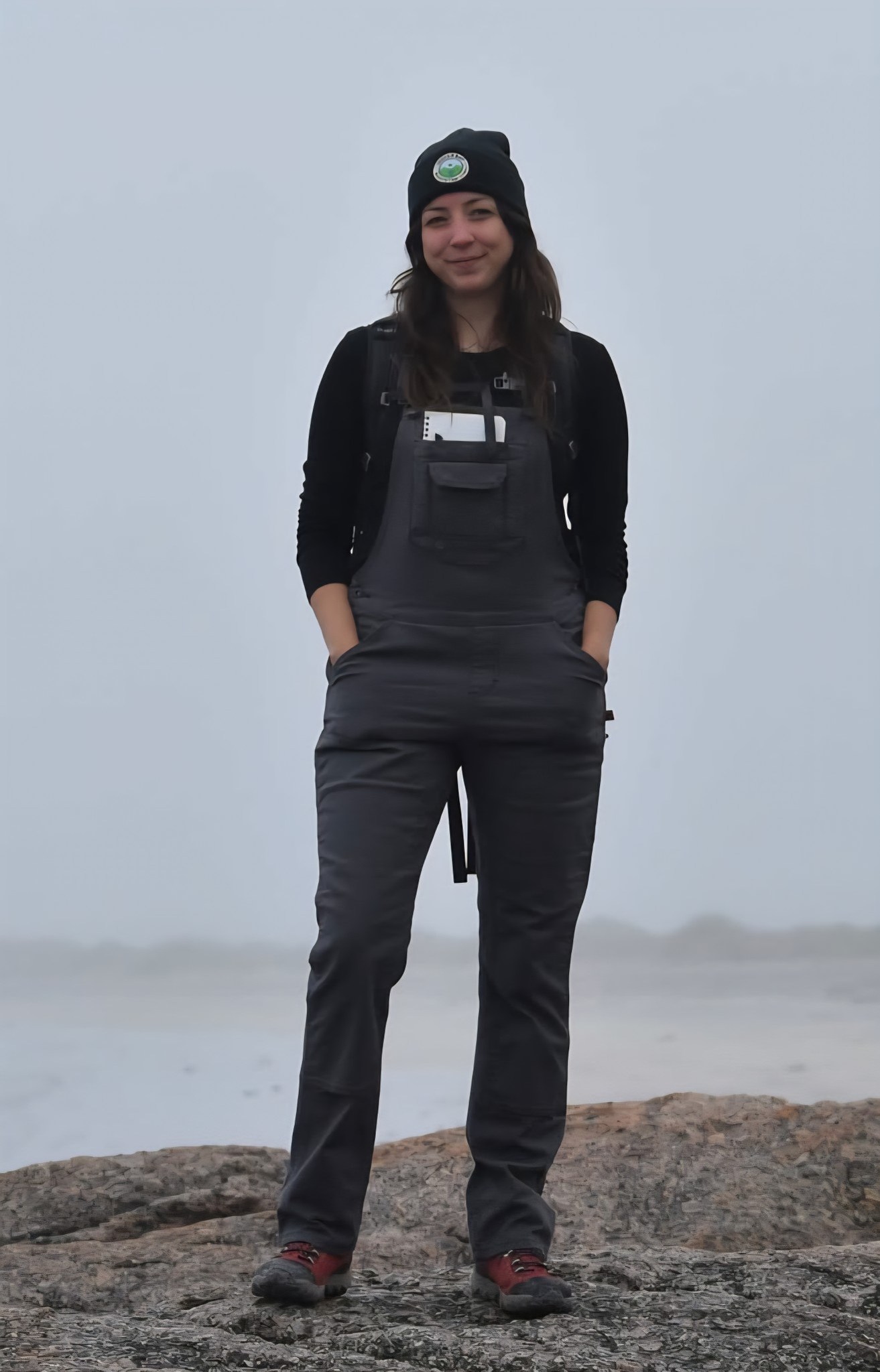
Over the past few months, we here at IBEC have had the pleasure of working with and alongside Katie Miller and Tim Juvonen, dealing with invasive species throughout the northeast coast of the island, nightshifts looking for Leach’s Storm-Petrels in Cape Freels, shorebird research in Newtown, and whatever else was asked of them during their employment with us. We could not have done this work without them and we’ll miss them over the coming months.
We thank them for both accepting our offers of employment back in the Spring and wish them nothing but the best in their future (which may include working with us again next year)! We hope the experiences and memories you’ve made with us and along our beautiful shore will be carried with you on wherever your path takes you 
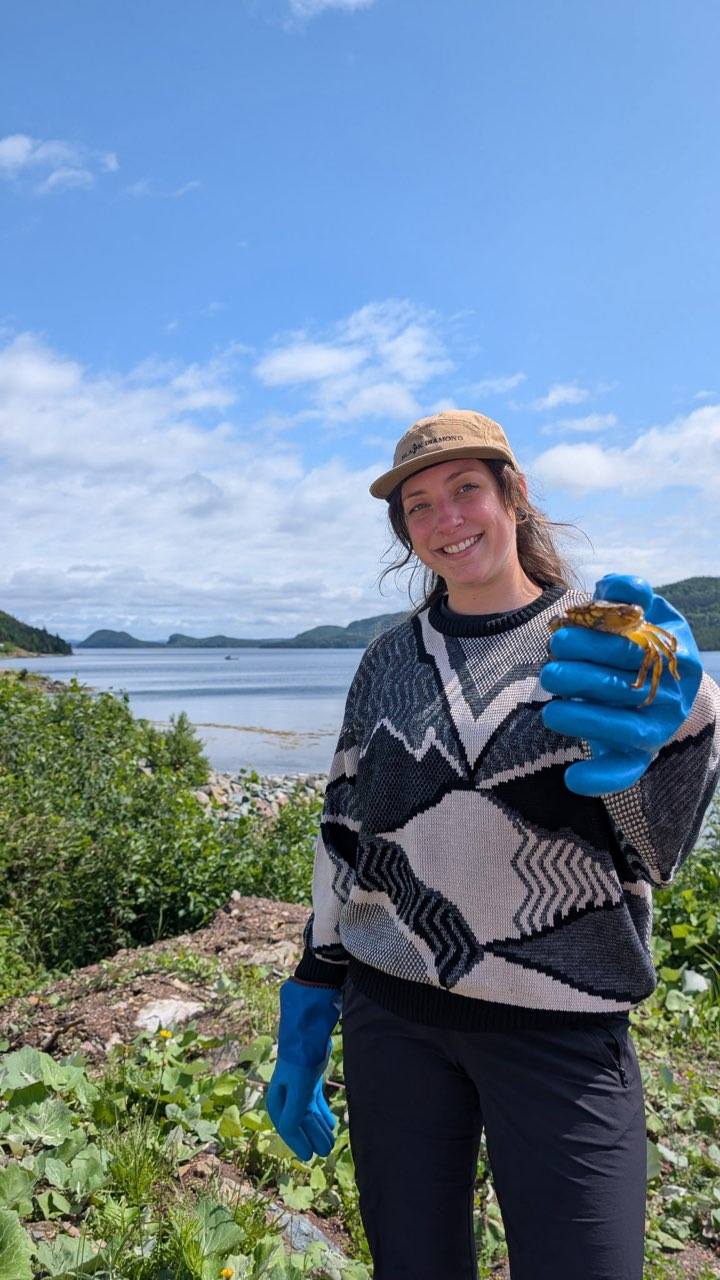


October 21st, 2025 – IBEC Continues Its Invasive Species European Green Crab  Trapping & Outreach
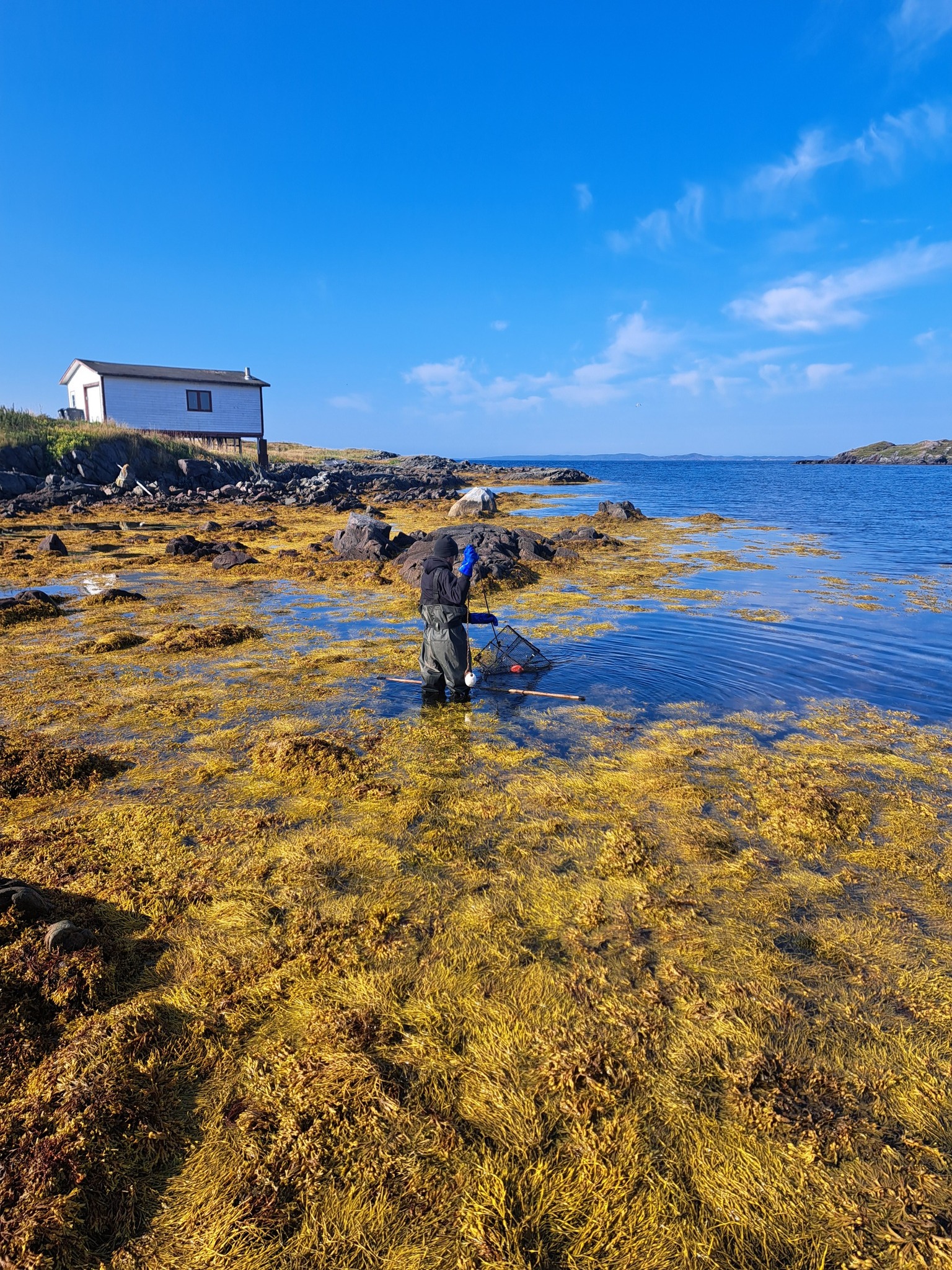
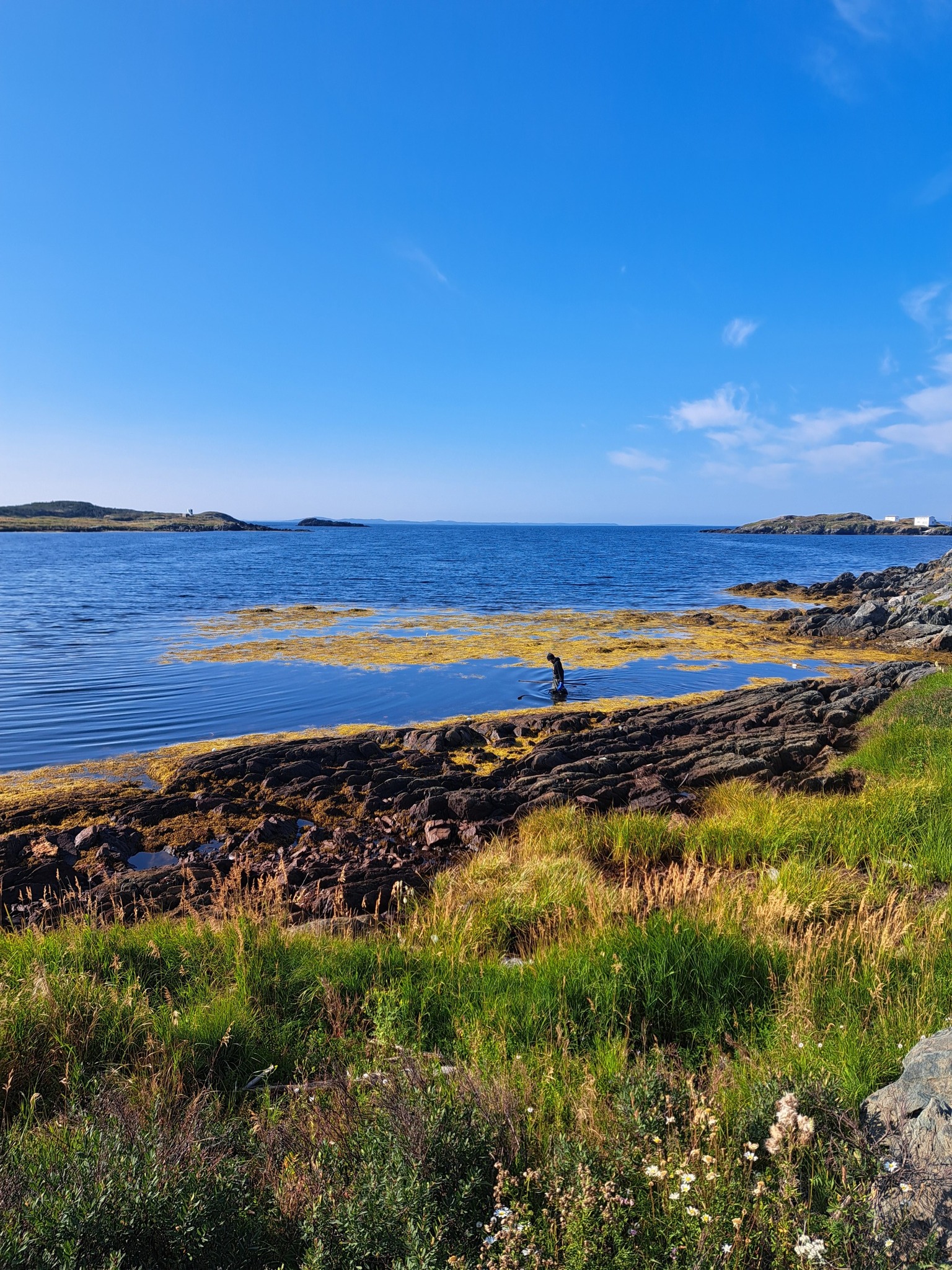
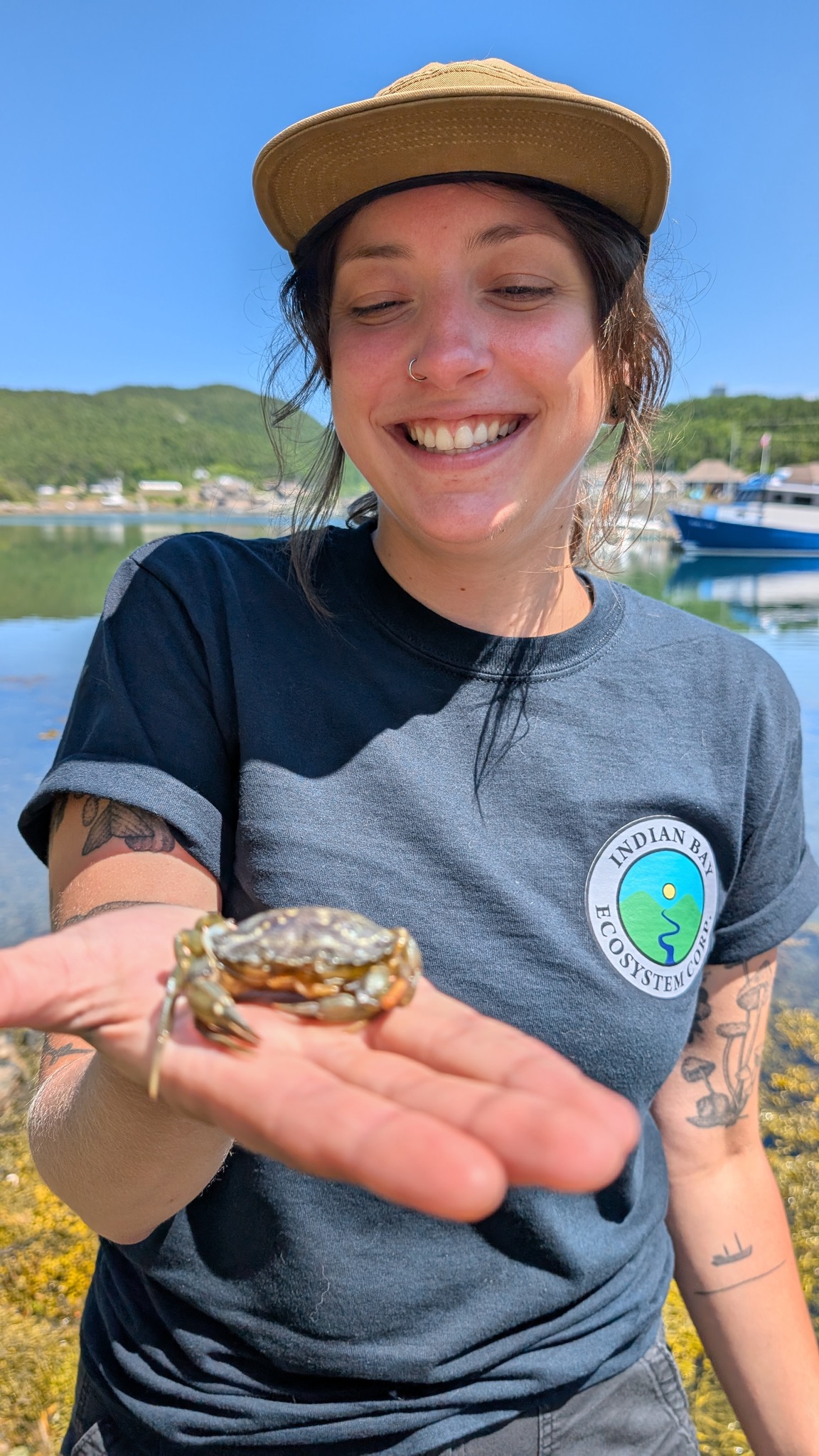
Over the last several weeks, our teams have been traveling throughout Notre Dame Bay trapping more European Green Crab. We’ve also had an information session locally in Newtown. We’ve noticed an increase in trapping numbers as the weather cools for Fall, with close to 2,000 crab caught alone this month! 
We have a couple more weeks left before hauling our traps for the last time this season. Thanks to DFO for the opportunity to do this important research and for those individuals who are participating in citizen science, trapping in areas with their own traps.
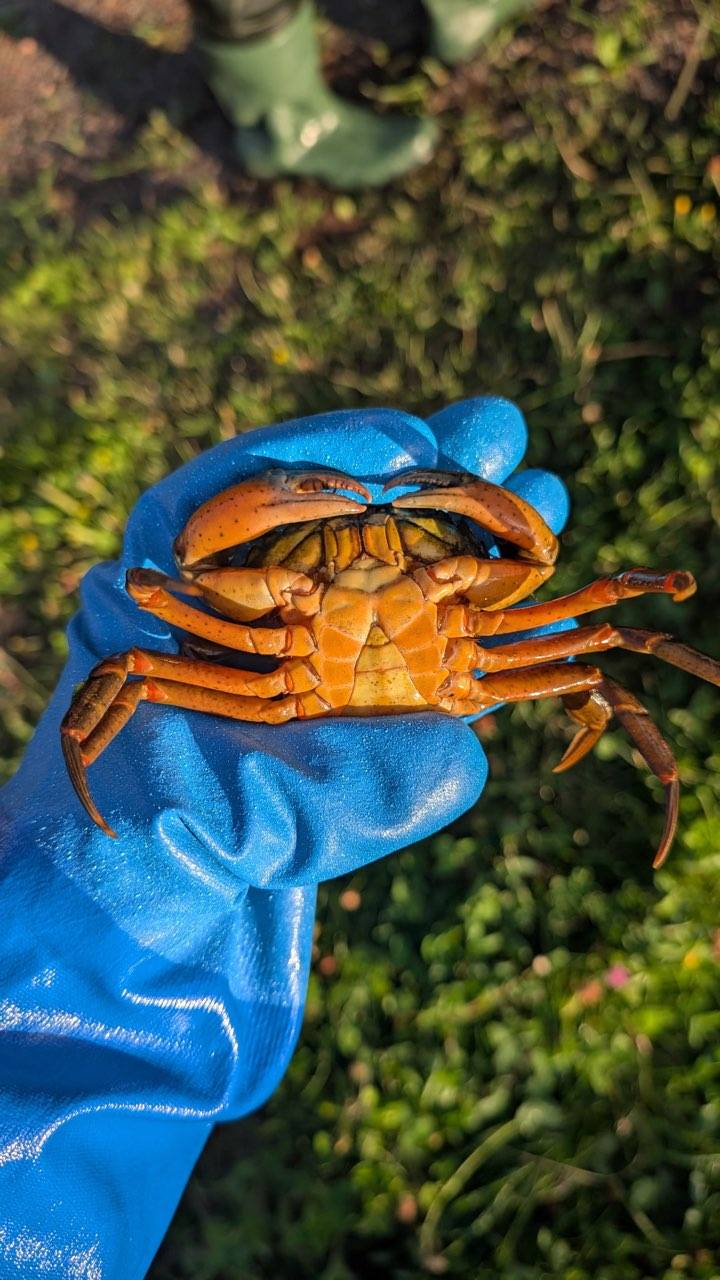
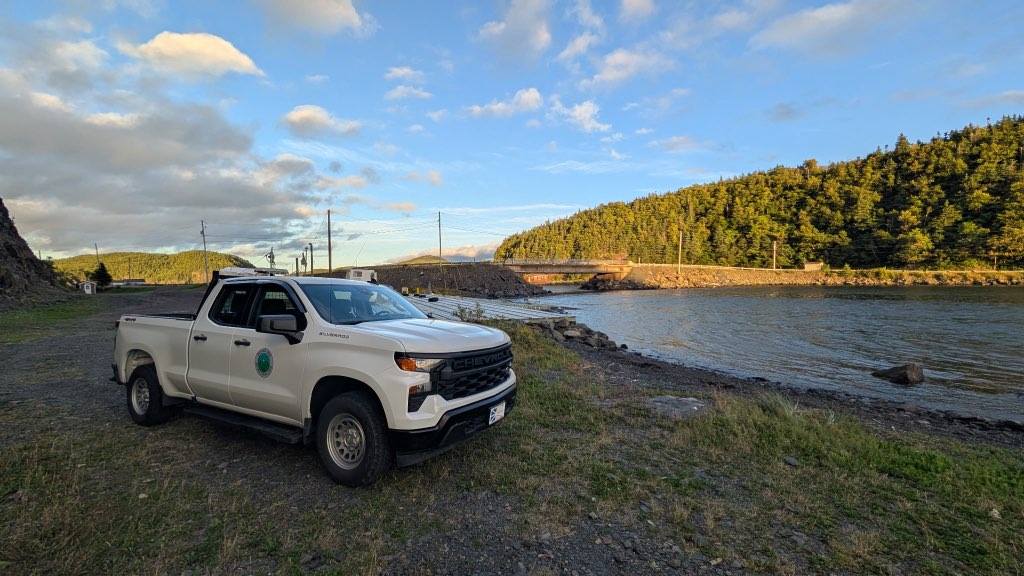
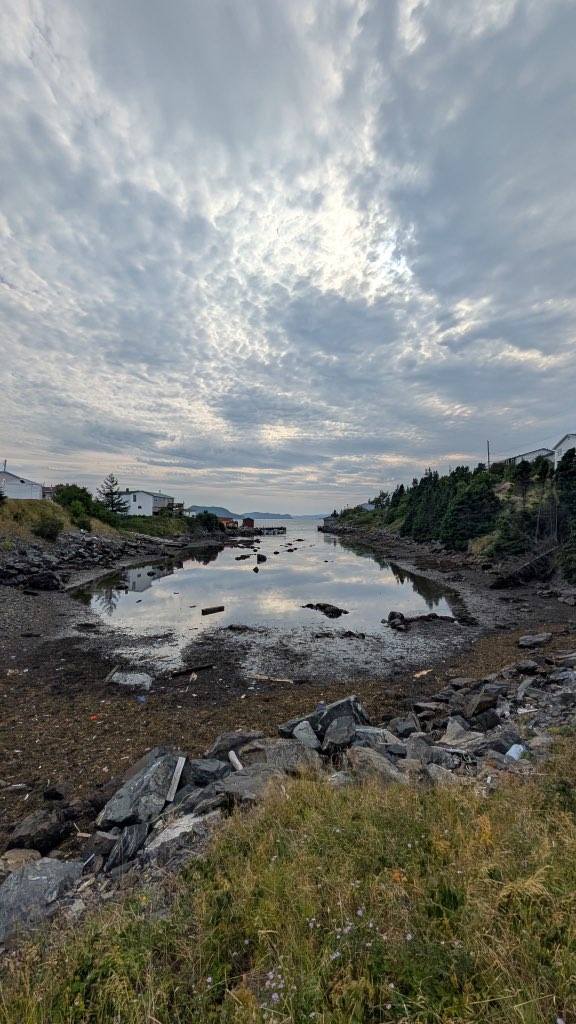
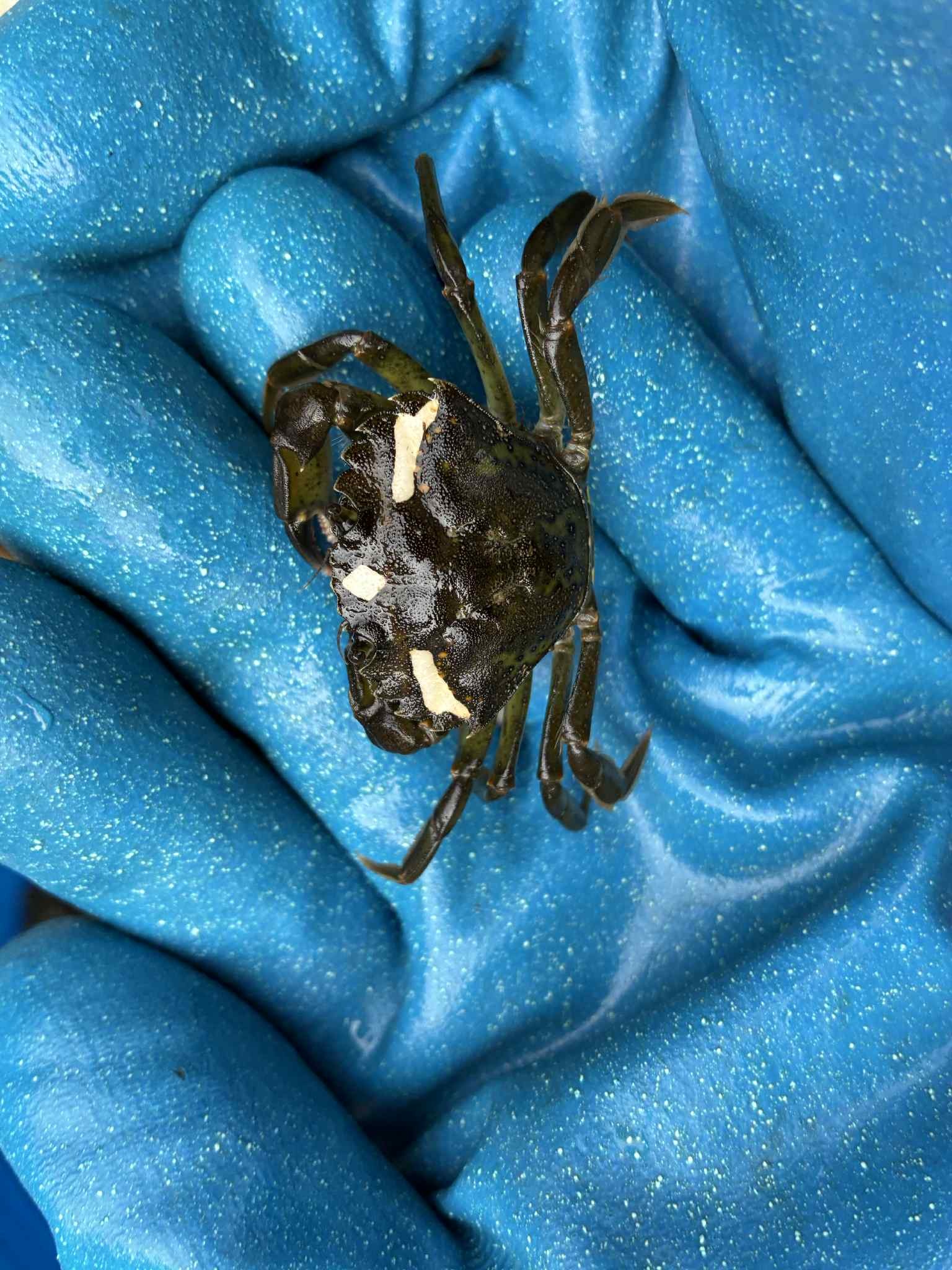

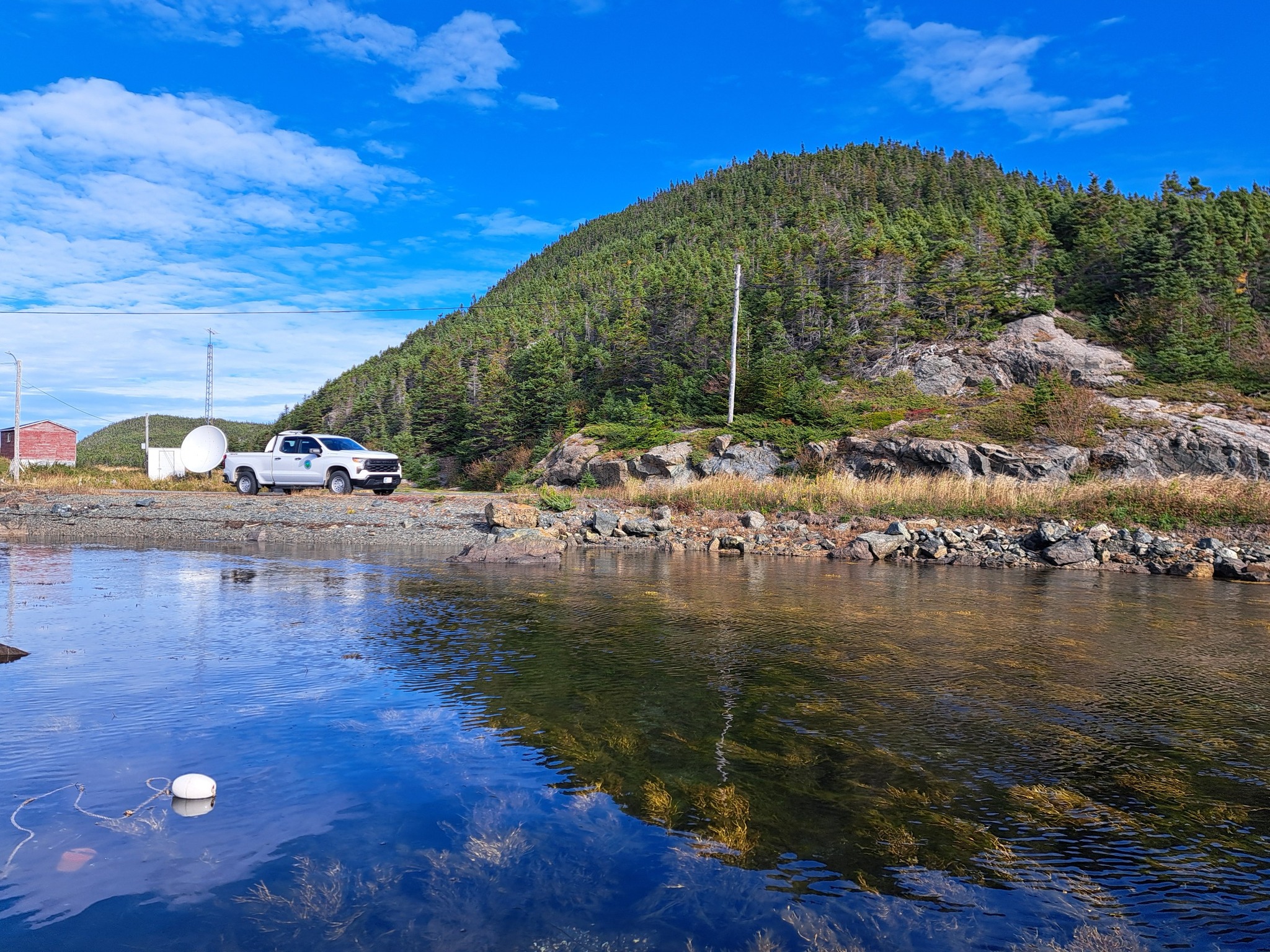
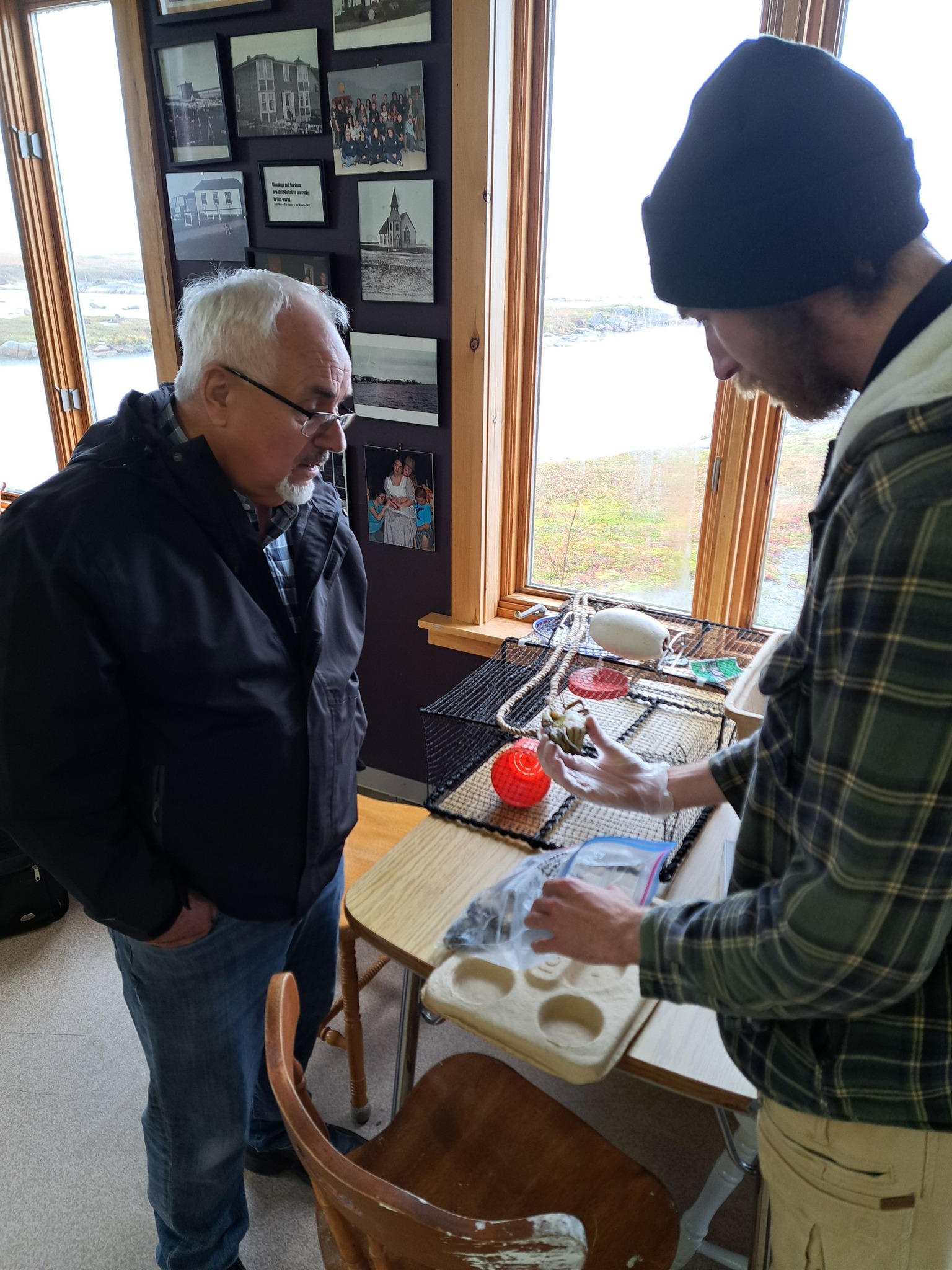
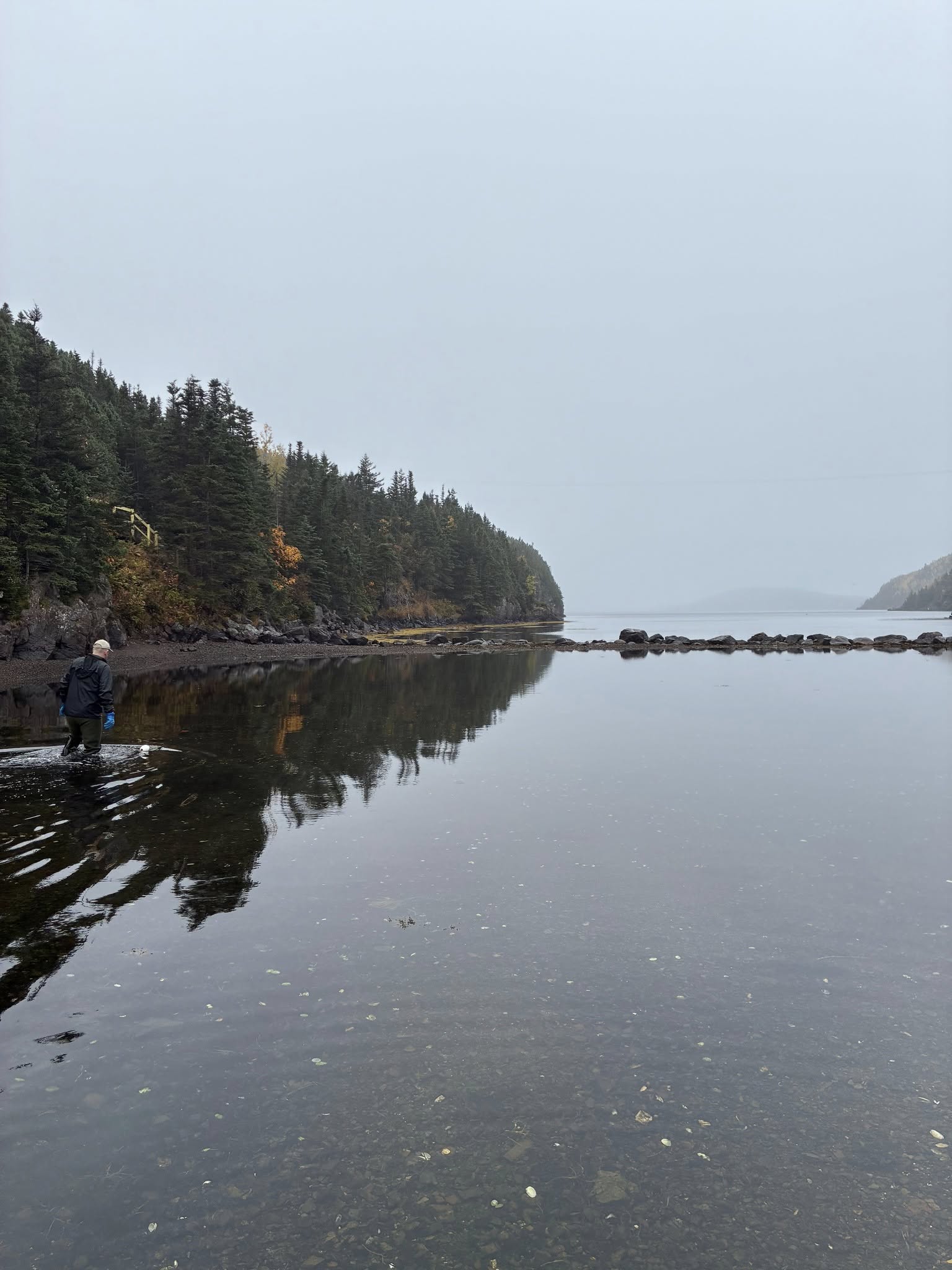
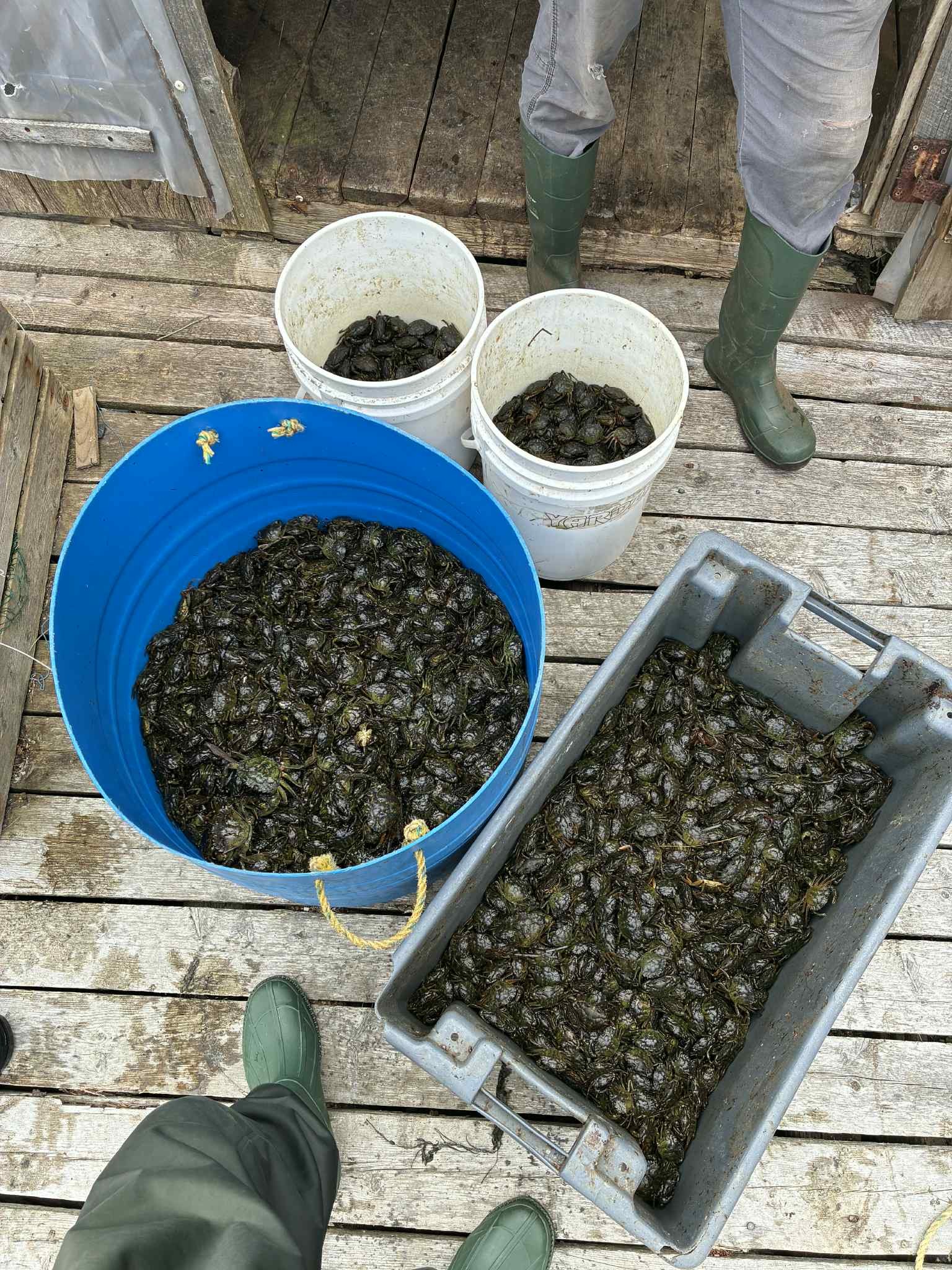

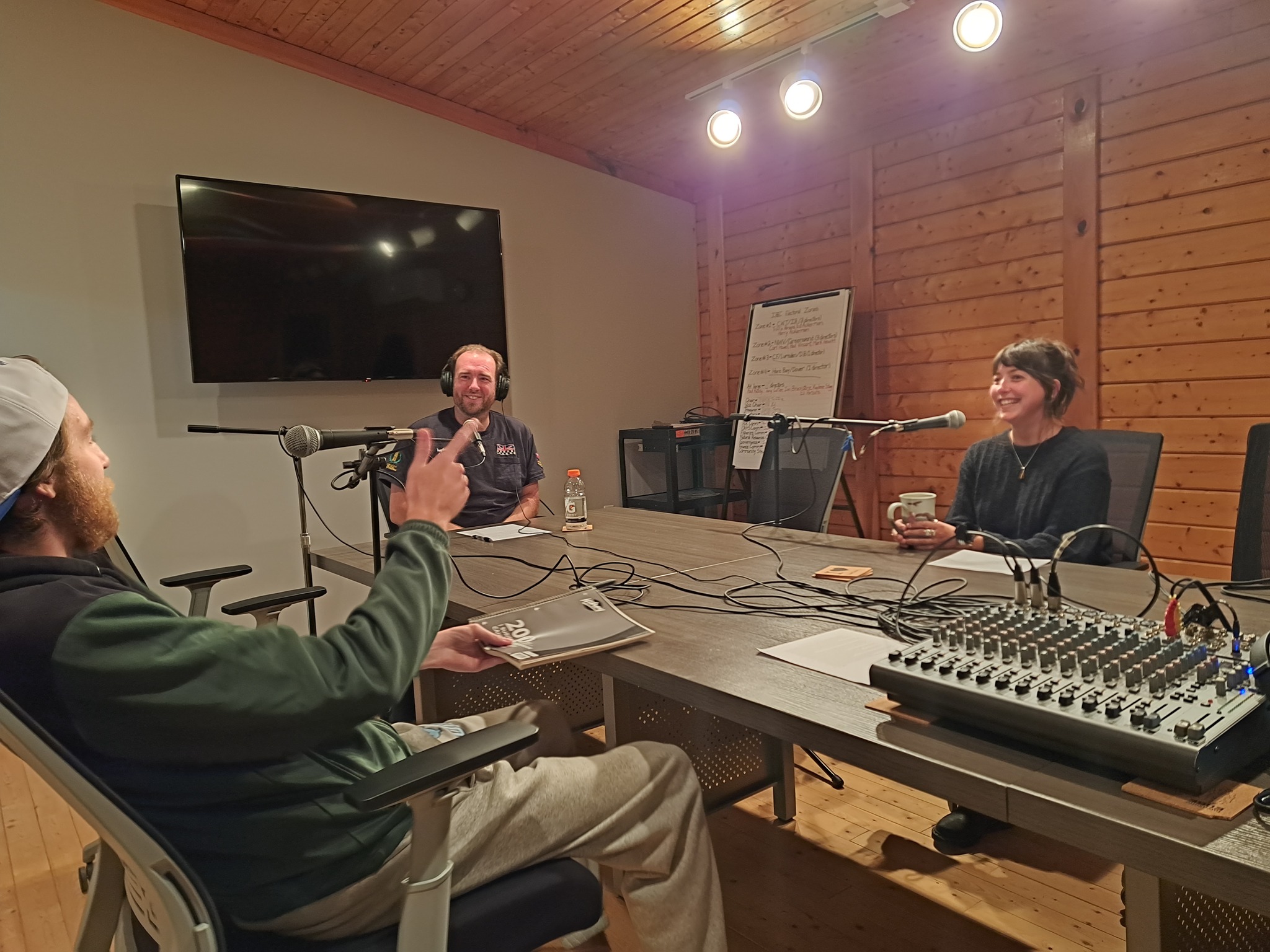
October 6th, 2025 – What is it like to work at IBEC and deal with European Green Crab? Well, listen to the latest 709 Watershed podcast episode and hear what Katie and Tim have to say about that and a lot more!
IBEC’s very own Environmental Field Technicians, specializing in European Green Crab trapping, Katie Miller and Tim Juvonen. Both have been travelling throughout the Notre Dame Bay and Bonavista Bay area these past few months, conducting European Green Crab research, in partnership with the Department of Fisheries and Oceans. The invasive species is increasing its presence in our coastal waters, and Katie and Tim are doing their part to attempt to determine just how far their presence is felt, along with other duties here at IBEC. They’ll both review what they have discovered and share some other details about their time working with us.
Click on the link to listen to their show directly – https://www.buzzsprout.com/546025/episodes/17960447
Don’t forget to bookmark our webpage at https://indianbayecosystem.com/709-watershed-podcast/ or subscribe to 709 Watershed on all major podcast apps!

October 1st, 2025 –  Educating Young Minds About Invasive European Green Crab
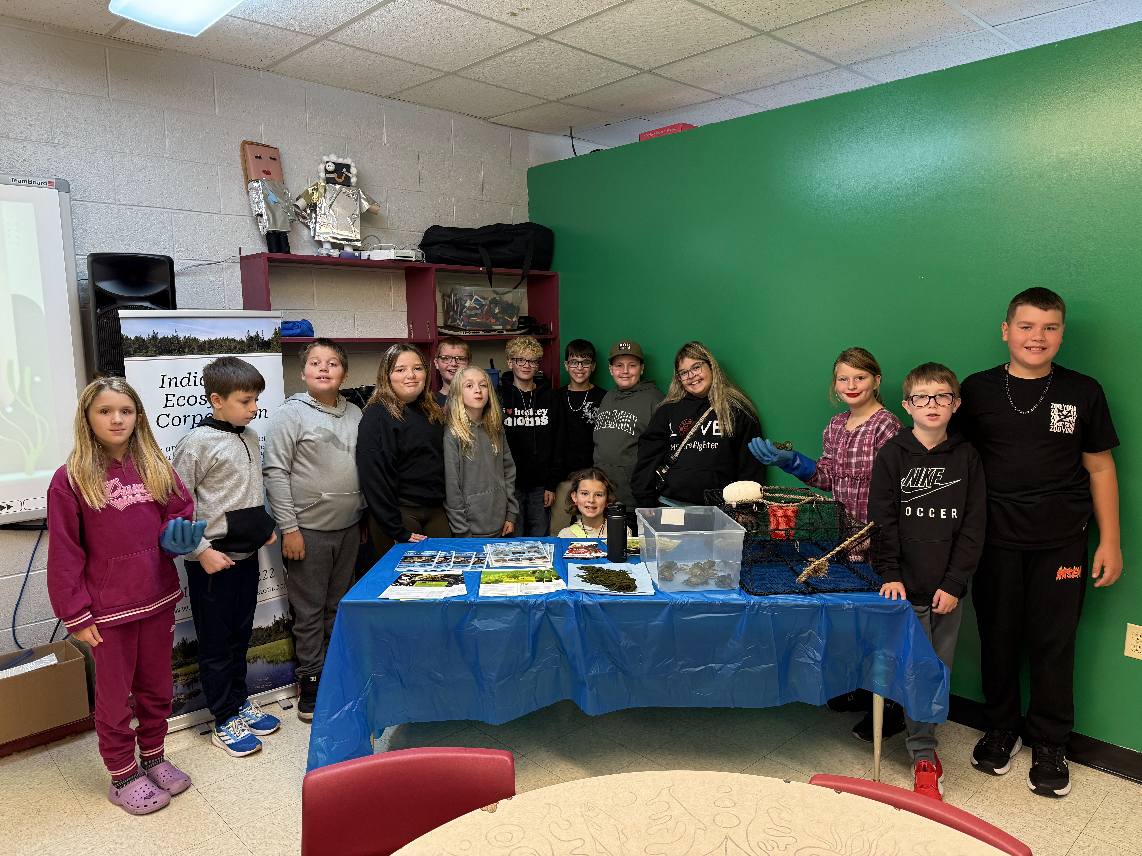
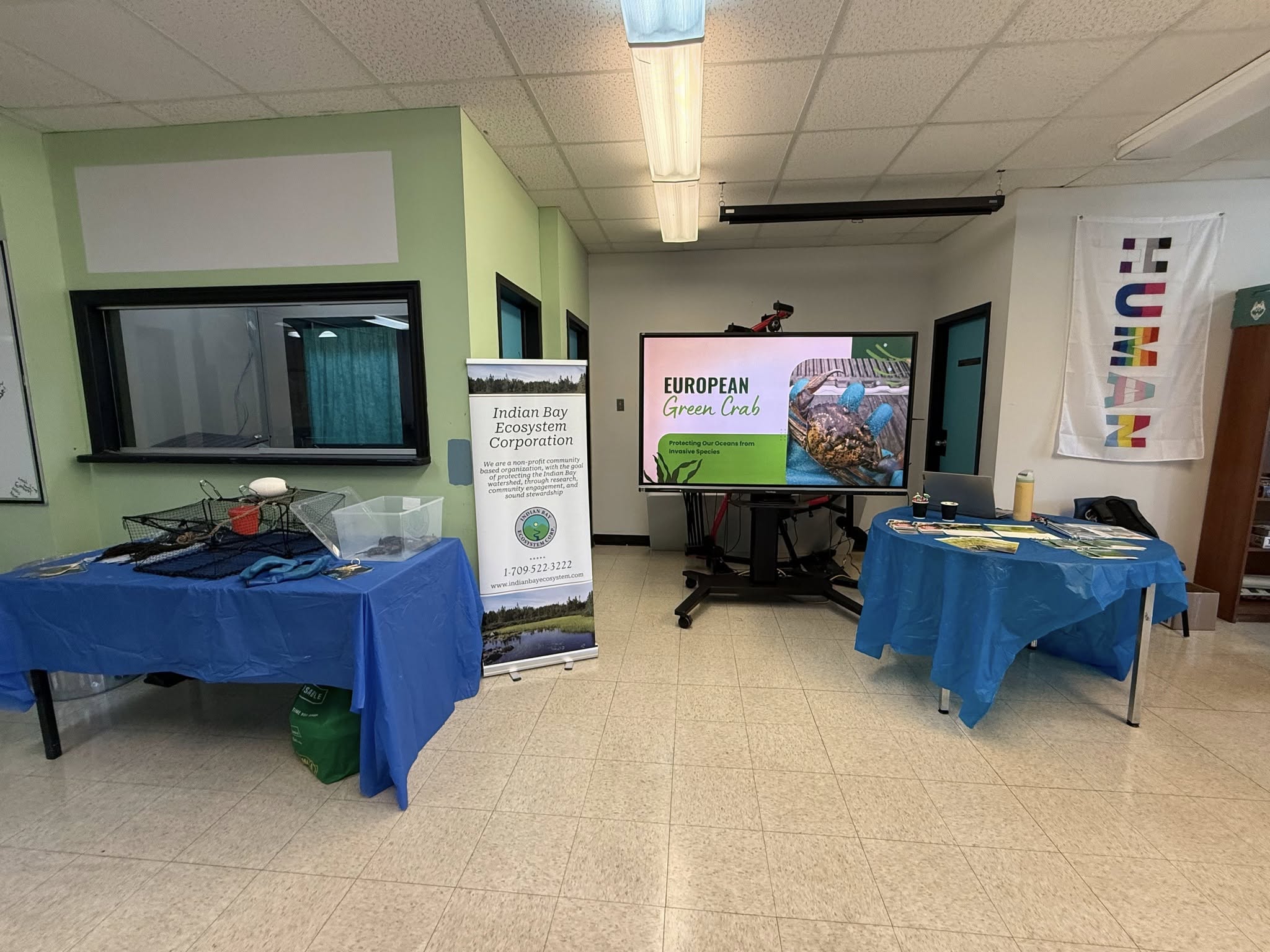
Last week, Jessica and Katie conducted trapping research in the Triton area of Notre Dame Bay. While there, they had the opportunity to drop into a couple of schools to present to youth of various ages about European Green Crab and how the invasive species destroy eelgrass habitat.
Around 120 students from Dorset Collegiate and Green Bay South Academy, respectively, attended the presentations. Each presentation was tailored for the age group in attendance, while all students got to see European Green Crab up close and learn about what IBEC is doing in their area. We thank the staff and students at both schools for their interest and help with getting the presentations done





September 10th, 2025 – European Green Crab Trapping On Change Islands
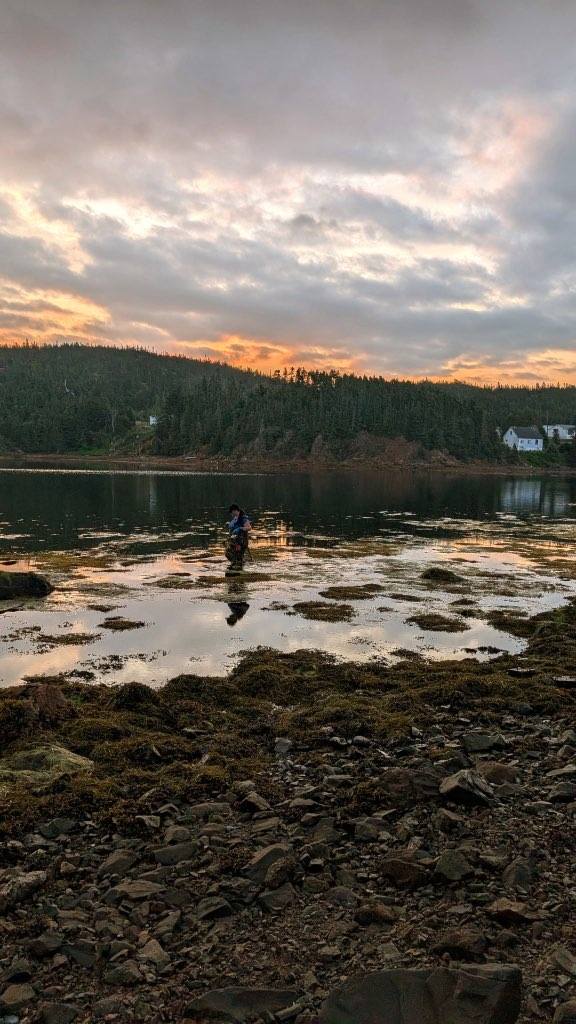
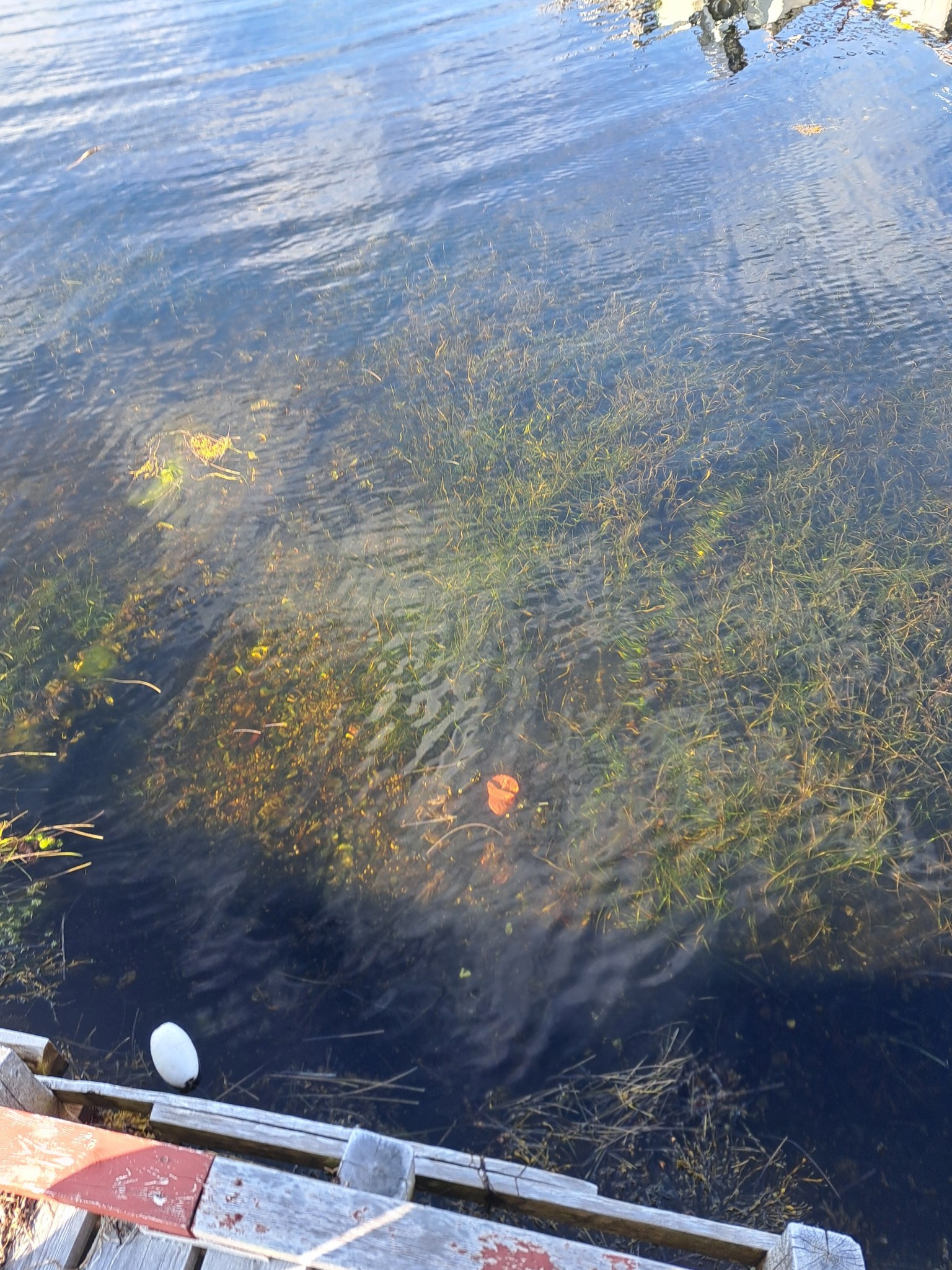
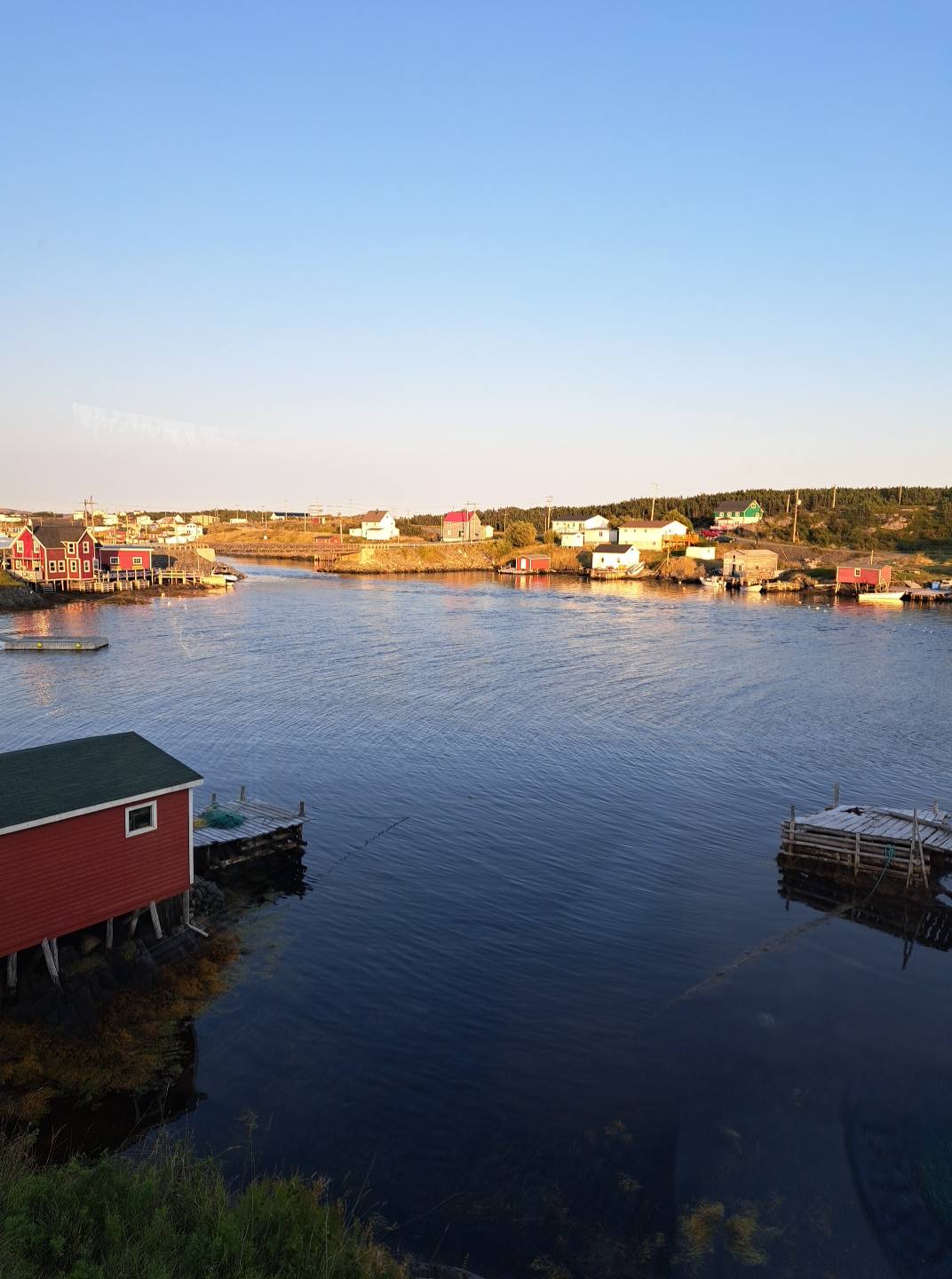
The guys recently completed their first trip over to Change Islands to look for the invasive species European Green Crab. Expecting to find some, they did! Pulled 80 out of their traps, with another 9 provided for research from citizens trapping them on their own. Most crab were caught on the western and northern parts of the islands. Thanks to those who provided assistance and stopped for a chat with us while on the islands!
Our work is continuing to track the movement of the , which is showing increased range throughout Notre Dame Bay and into Bonavista Bay. Our teams will work on the outer portions of each bay in the coming weeks to determine just how far the European Green Crab has spread within our trapping area.


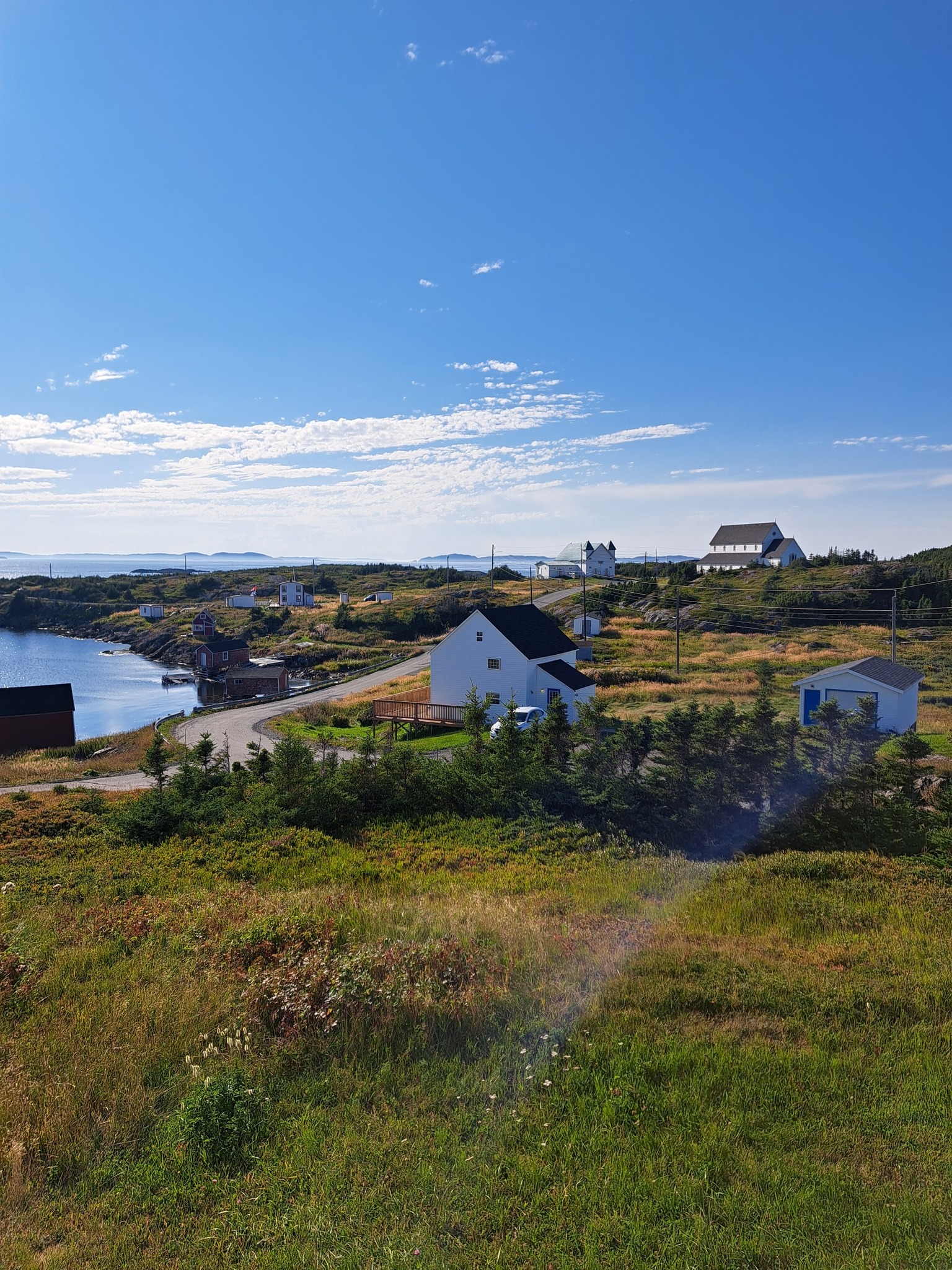

After years of work to complete the lengthy process of becoming a registered charity, IBEC is proud to announce that it has officially been approved as a registered charity in Canada! What does this mean?
– individuals, enterprises, businesses, and/or estates can donate to IBEC and receive a tax receipt for that donation.
– funds can be donated, if the doner so chooses, to a specific cause that IBEC does, such as shorebird research, our overall work in Cape Freels, trail improvements throughout the Watershed, or anything else we do, with that donation going directly to that work.
– donations of goods or property can also be made. These donations would be considered at market value and recorded in sense. Ex., an ATV that is 8 years old would be given a monetary value of what it would be worth if sold today on the market. A tax receipt for that amount would then be issued.
– any donation, no matter the size, will receive a tax receipt
This charity status will allow IBEC to continue its work on various projects, both within the Watershed and beyond. It may also allow us to develop new projects and hire additional staff, should donations reach a specific level.
Thank you to our Board, management, staff, and our accounting team (Pinsent & Associates), for their support and contributes to making this charity status a reality.
To make a donation or receive more information, please drop by the office during regular business hours or contact us via email or phone.
July 17th, 2025 – The Third Week of Green Crab Trapping Completed!
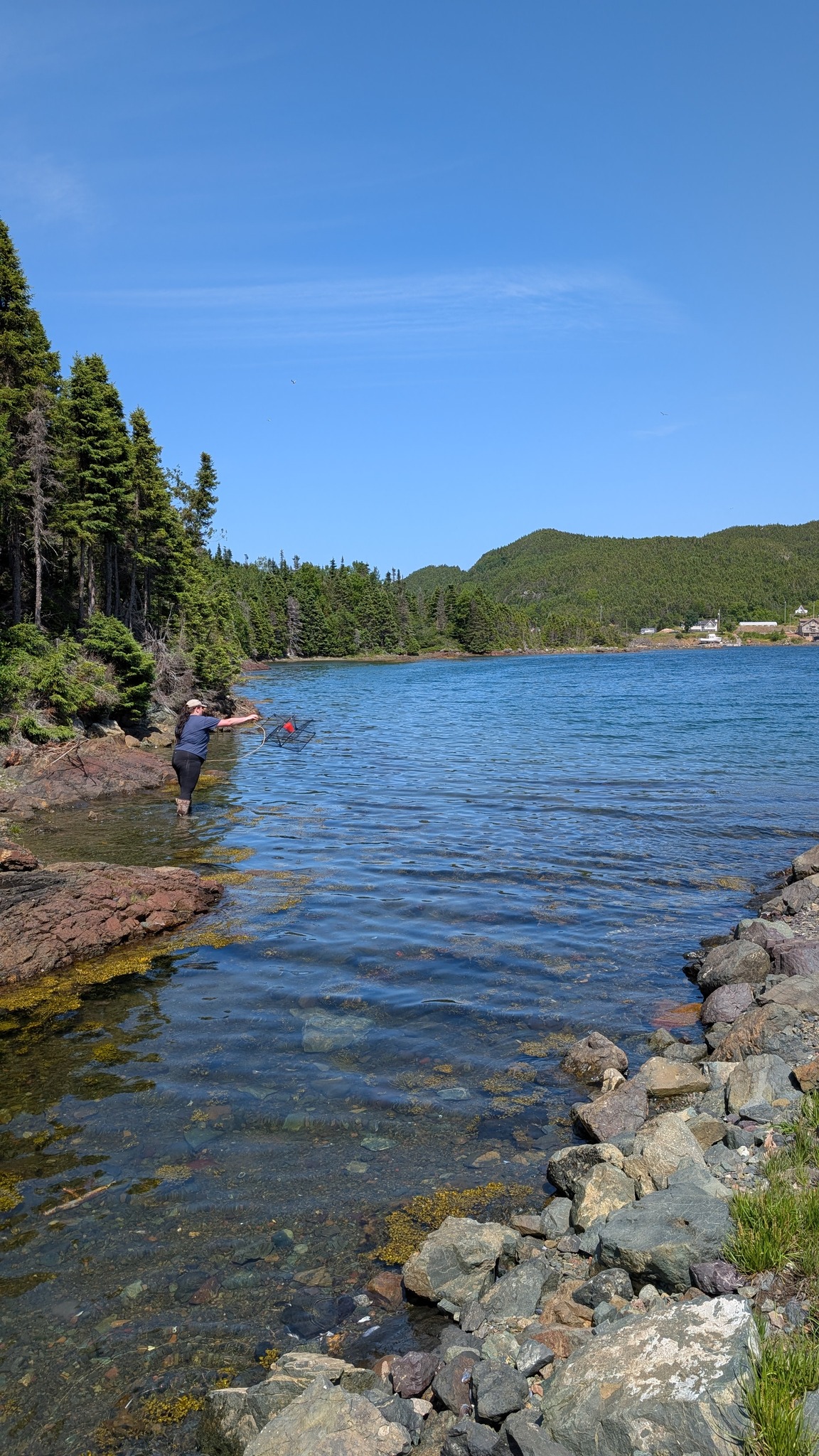
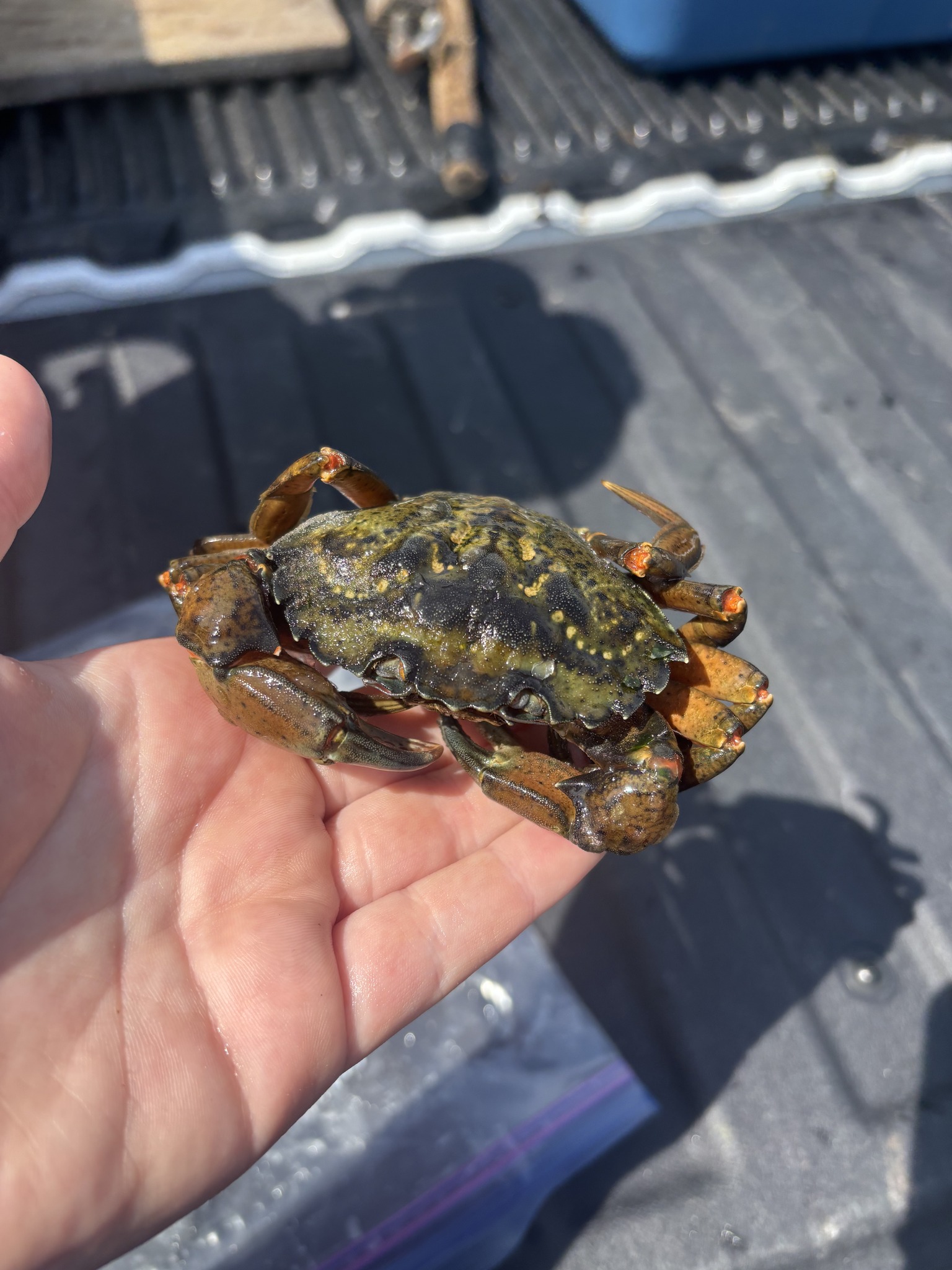
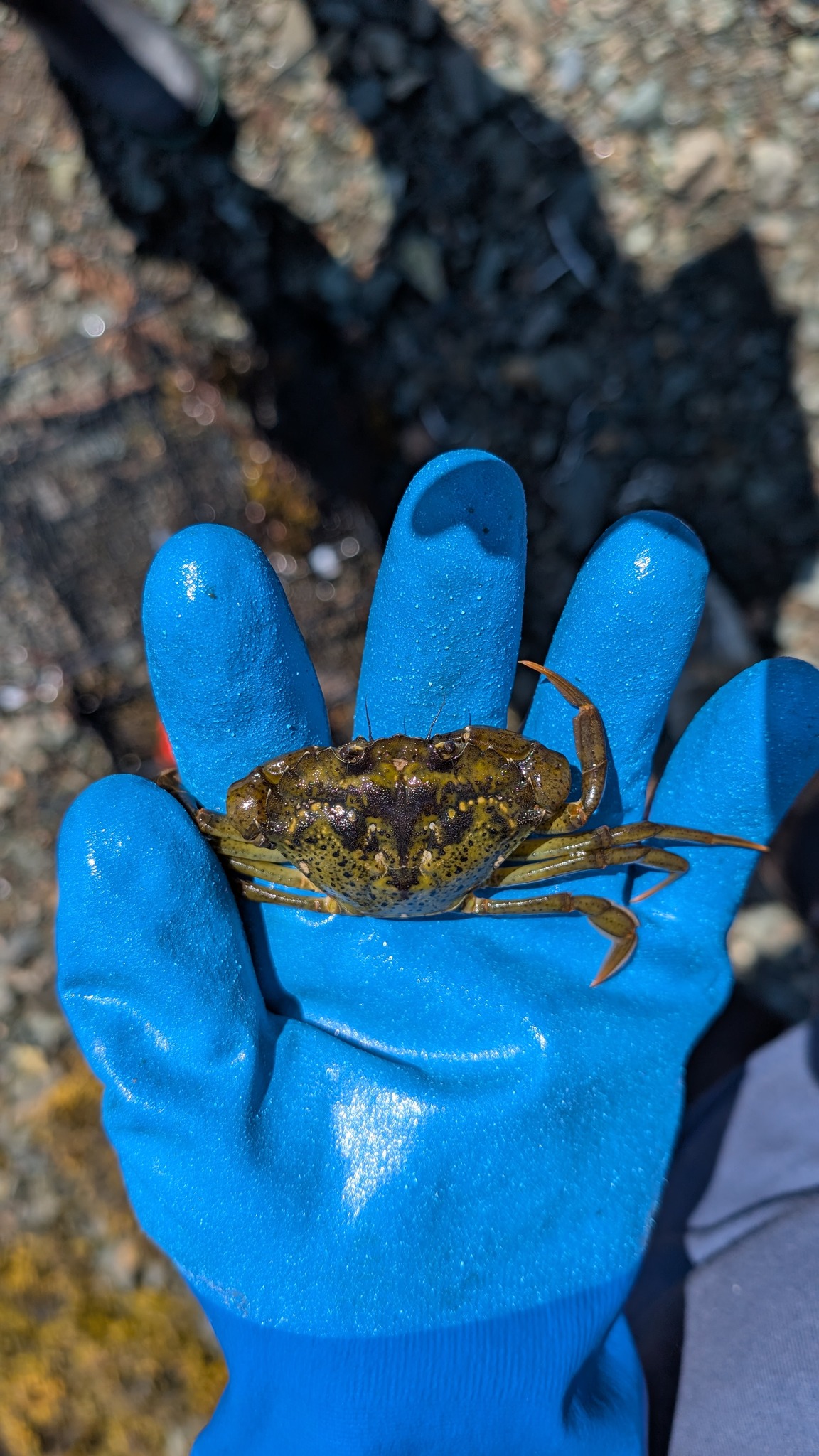
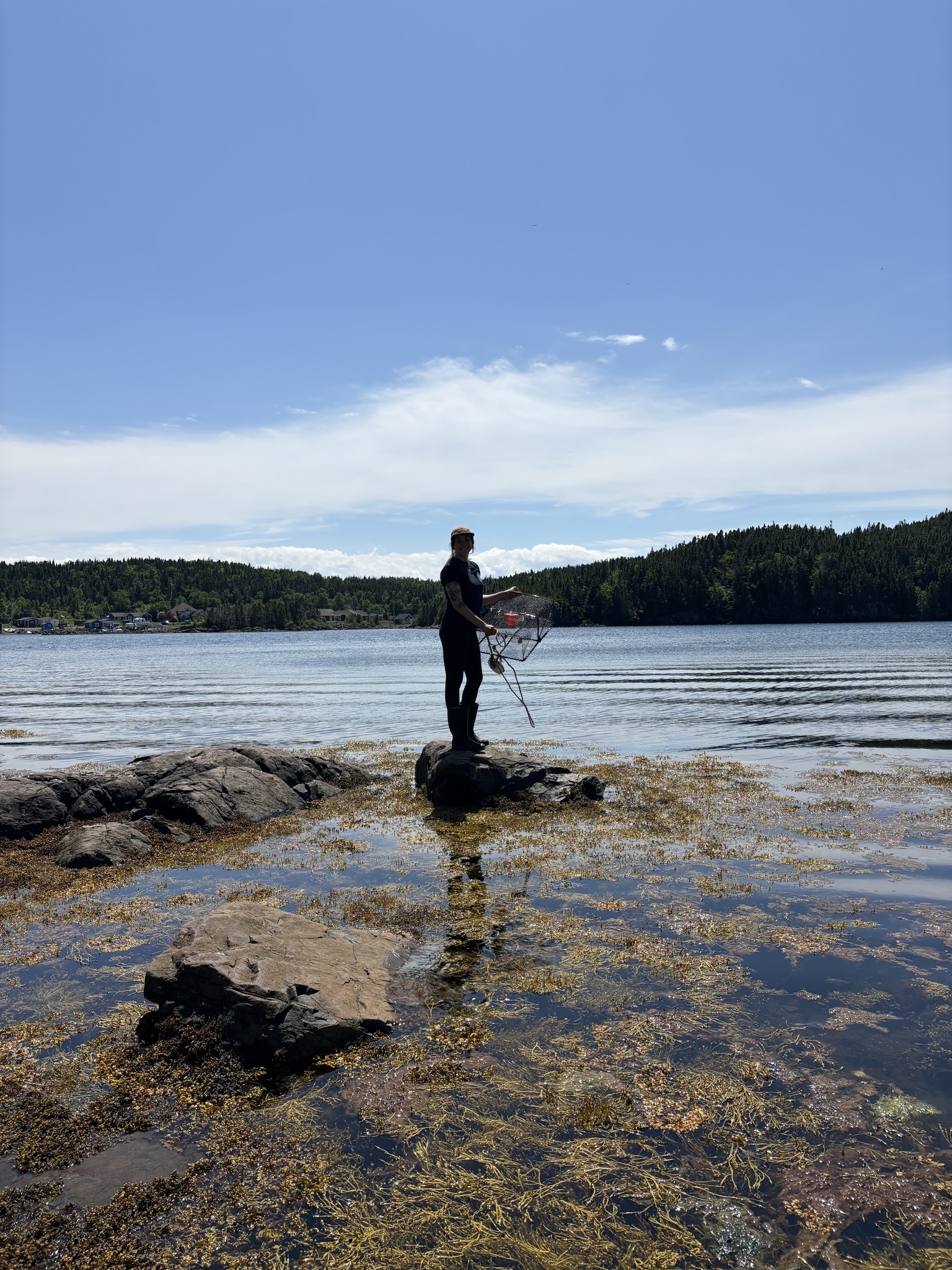
Our second week of trapping Green Crab in the Notre Dame Bay area of the island is done. Our team utilized traps in and around Triton and the surrounding areas, with the majority of those areas free of Green Crab.
However, we did catch a handful of Green Crab in two separate locations. We will circle back to those areas in the near future to conduct further trapping to remove additional crab from the water!
Our other team has been back in the New World Island area this week trapping, so feel free to say hi  and ask any questions you’d like regarding our work! Thanks to DFO for the funding to conduct this important research within Bonavista and Notre Dame Bay’s.
July 13th, 2025 – Busy Week For Our Youth & Team Members
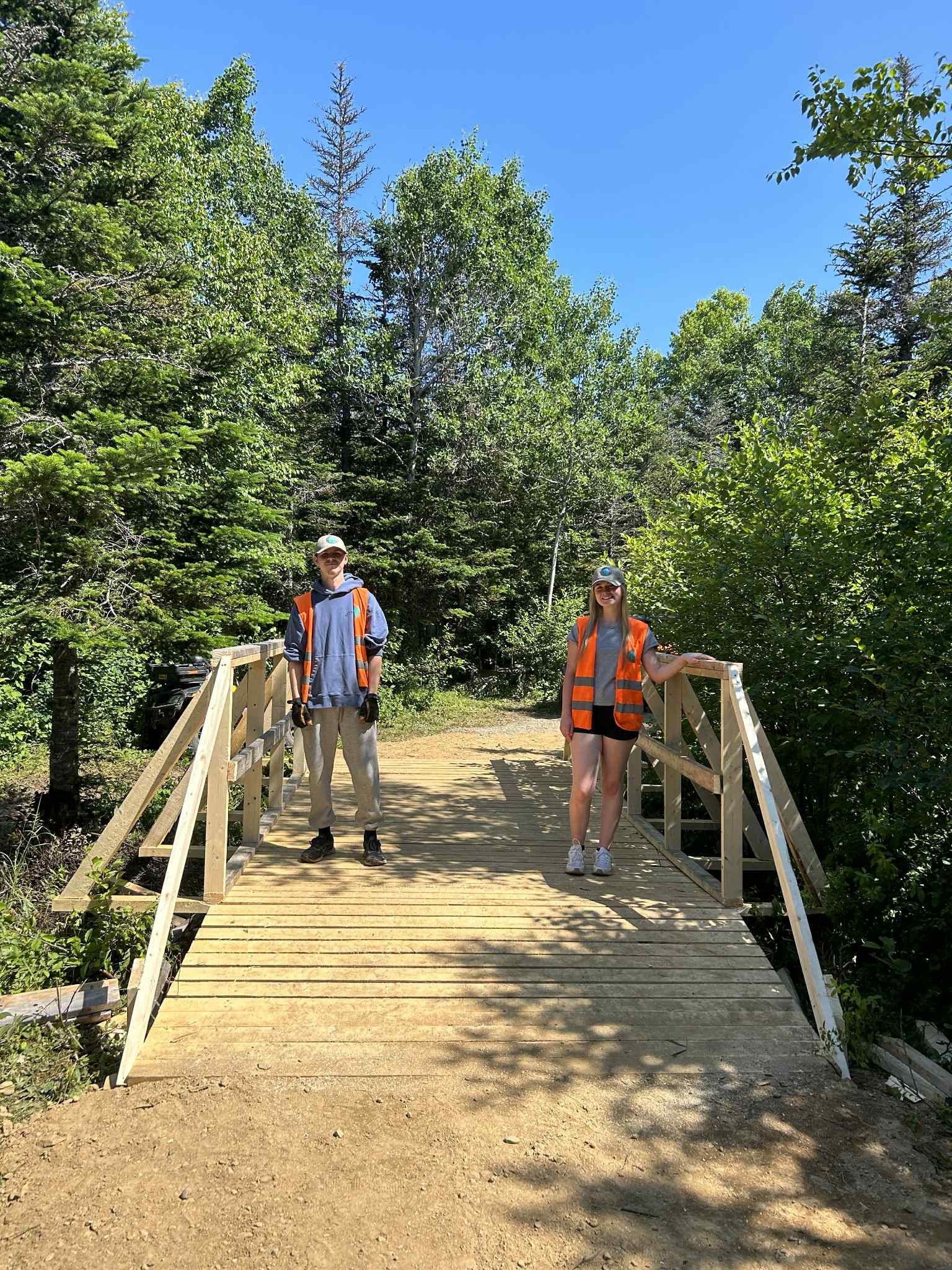
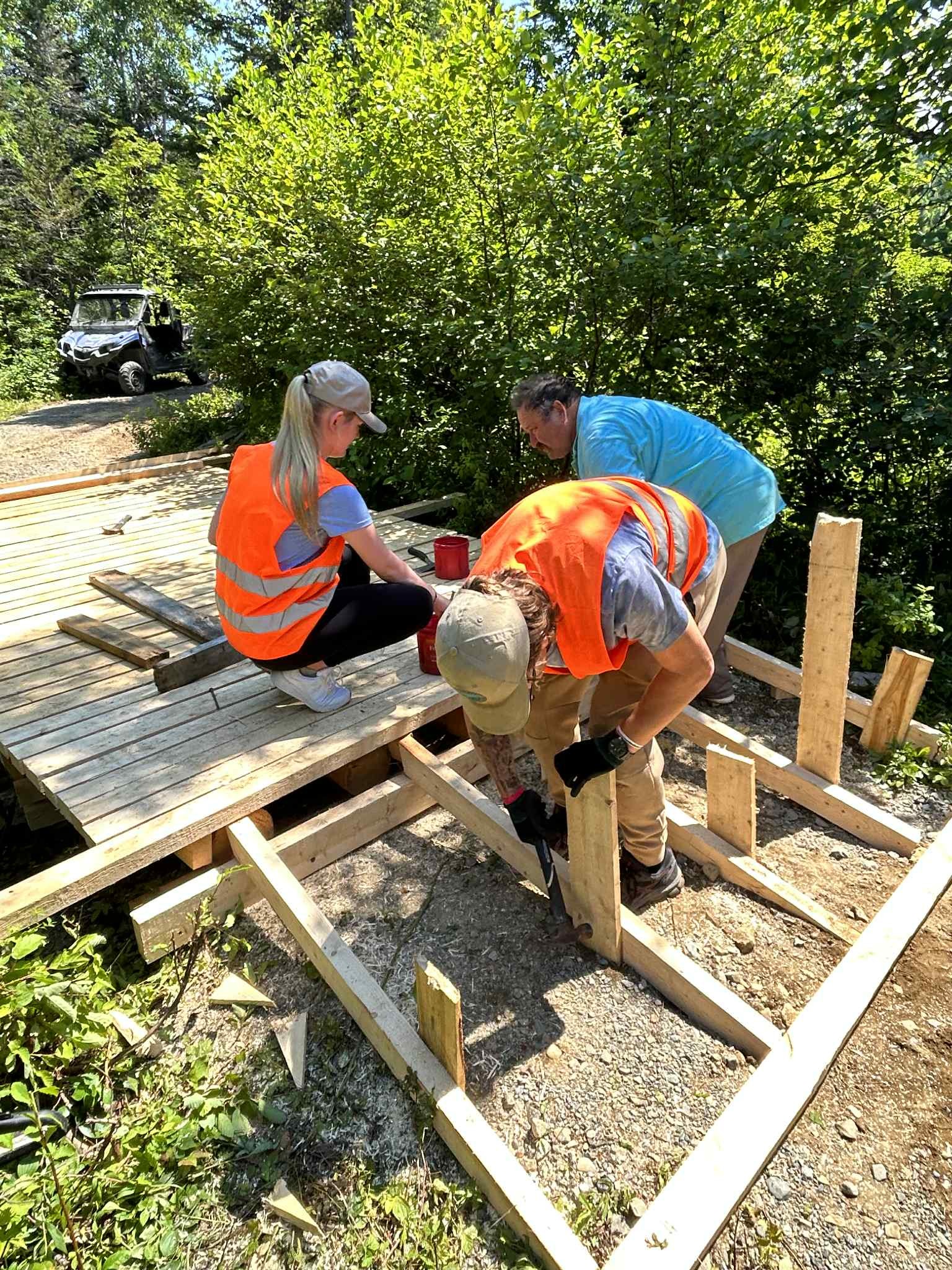
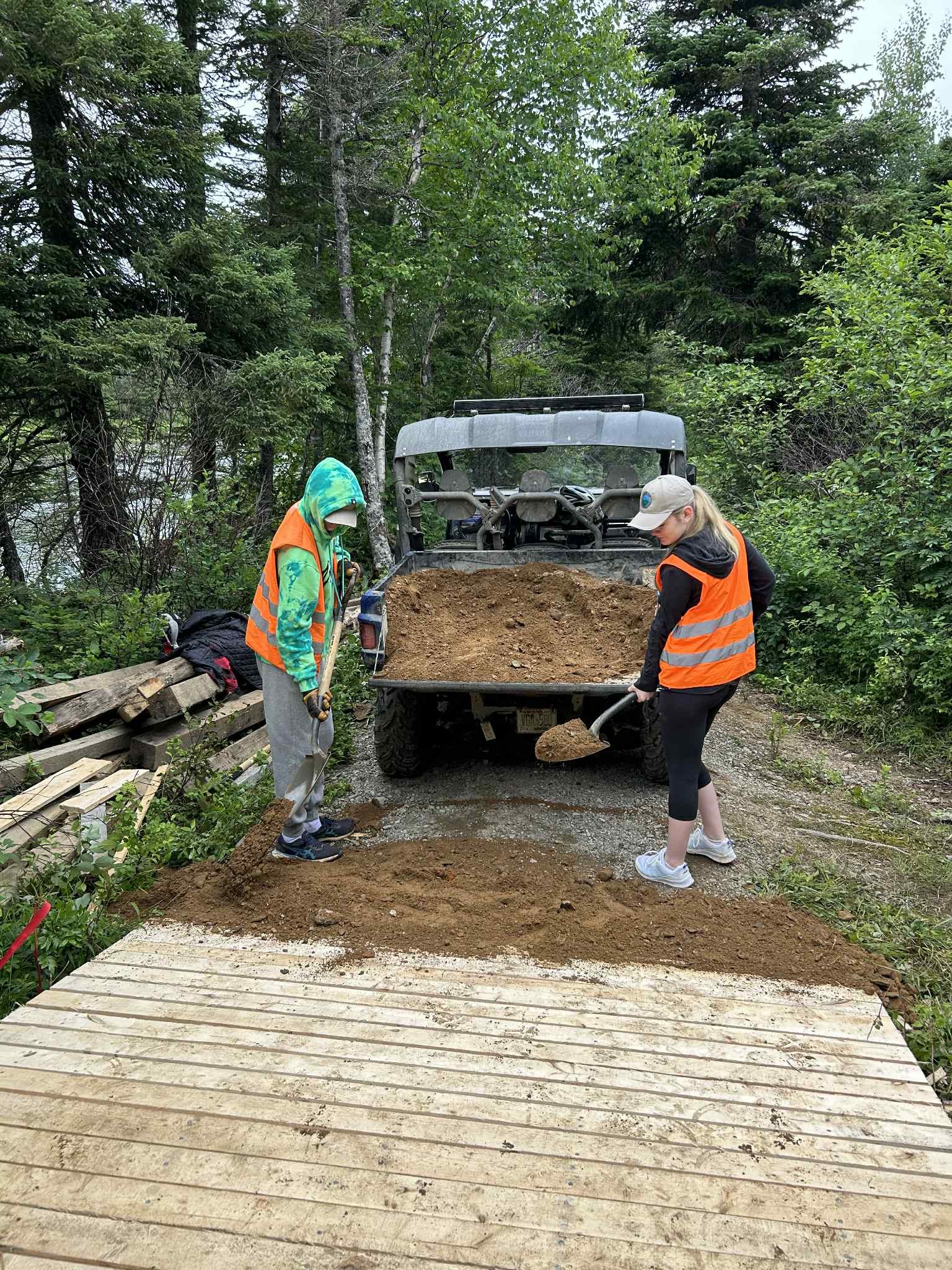
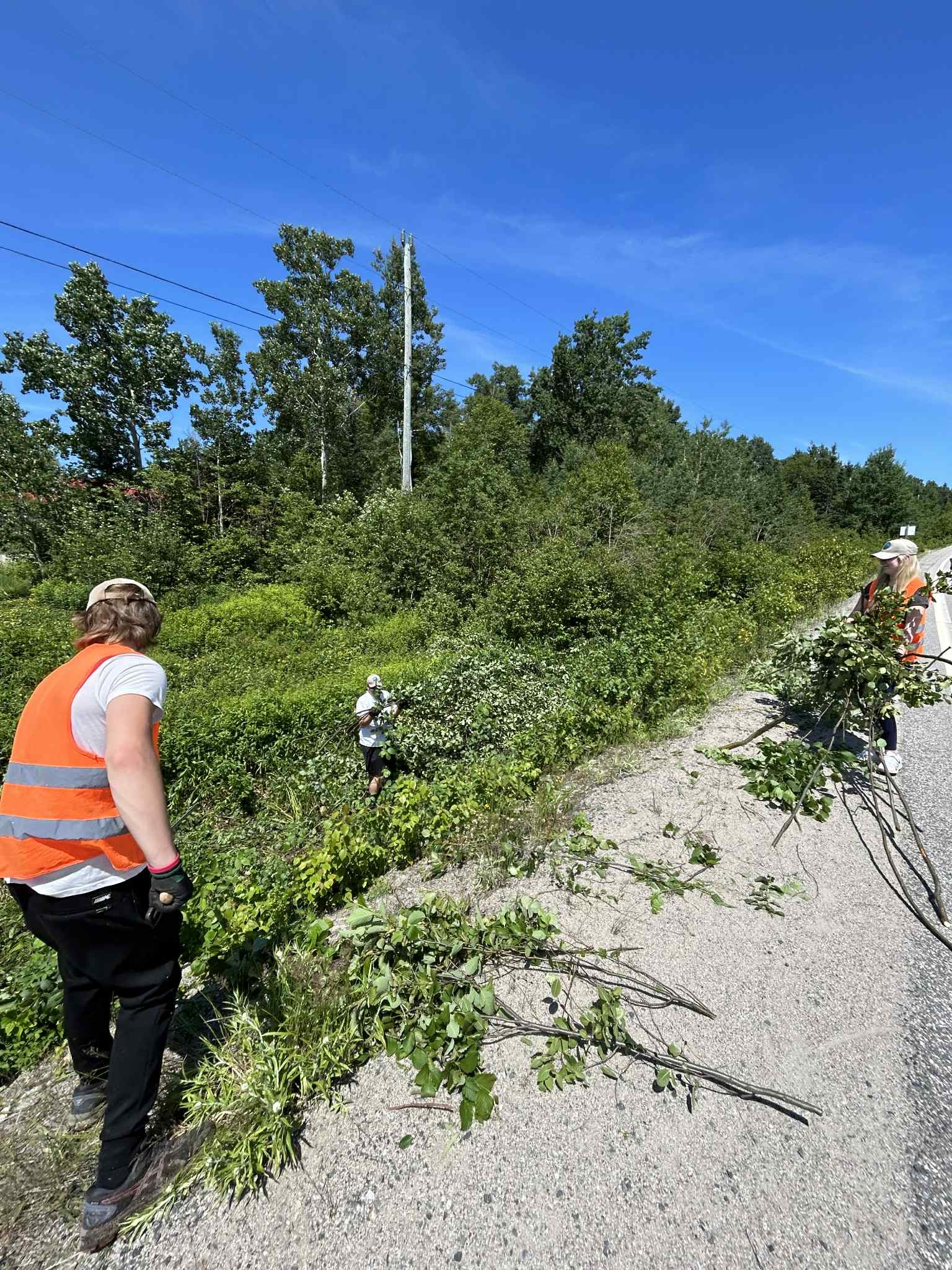
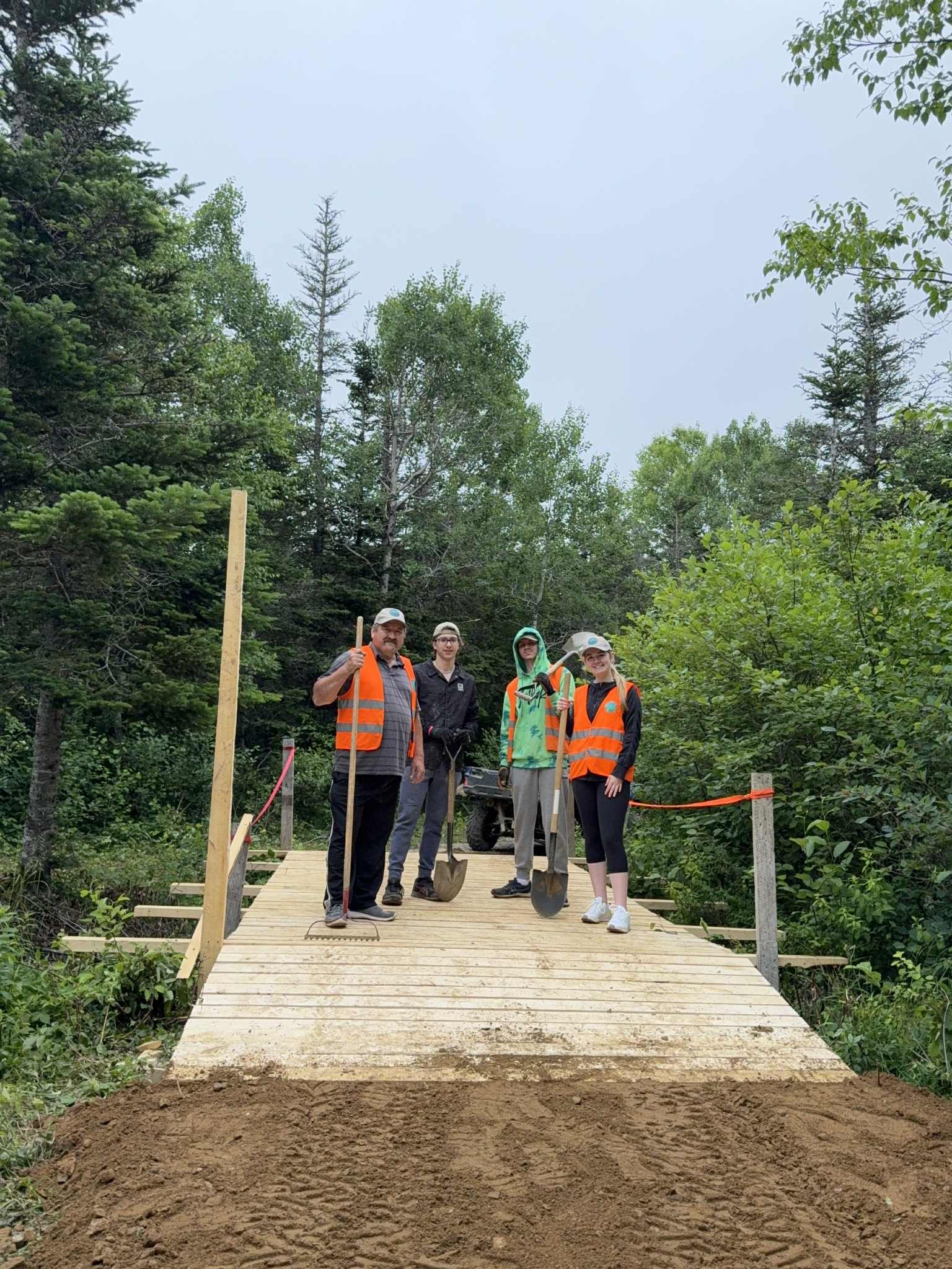
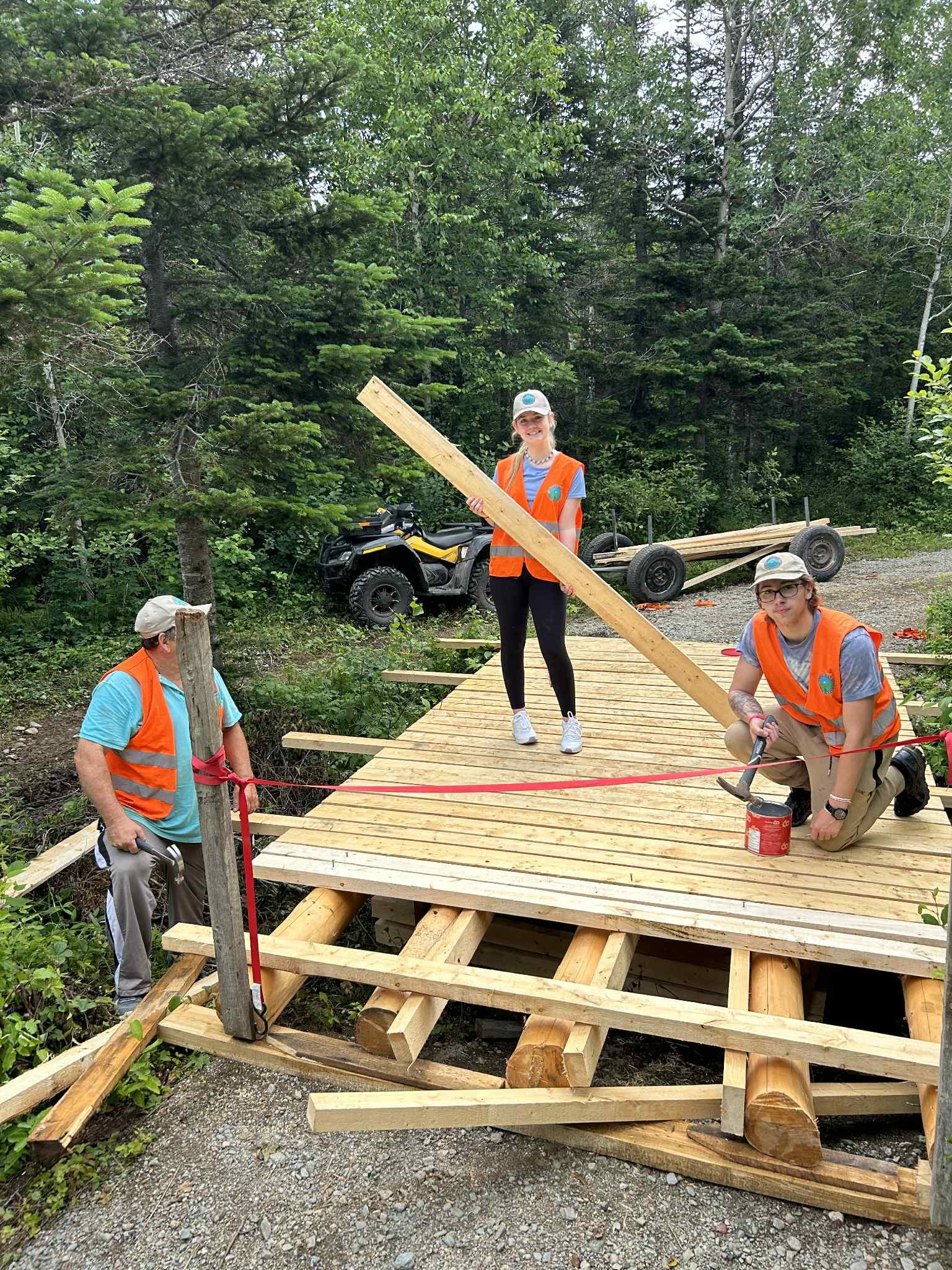
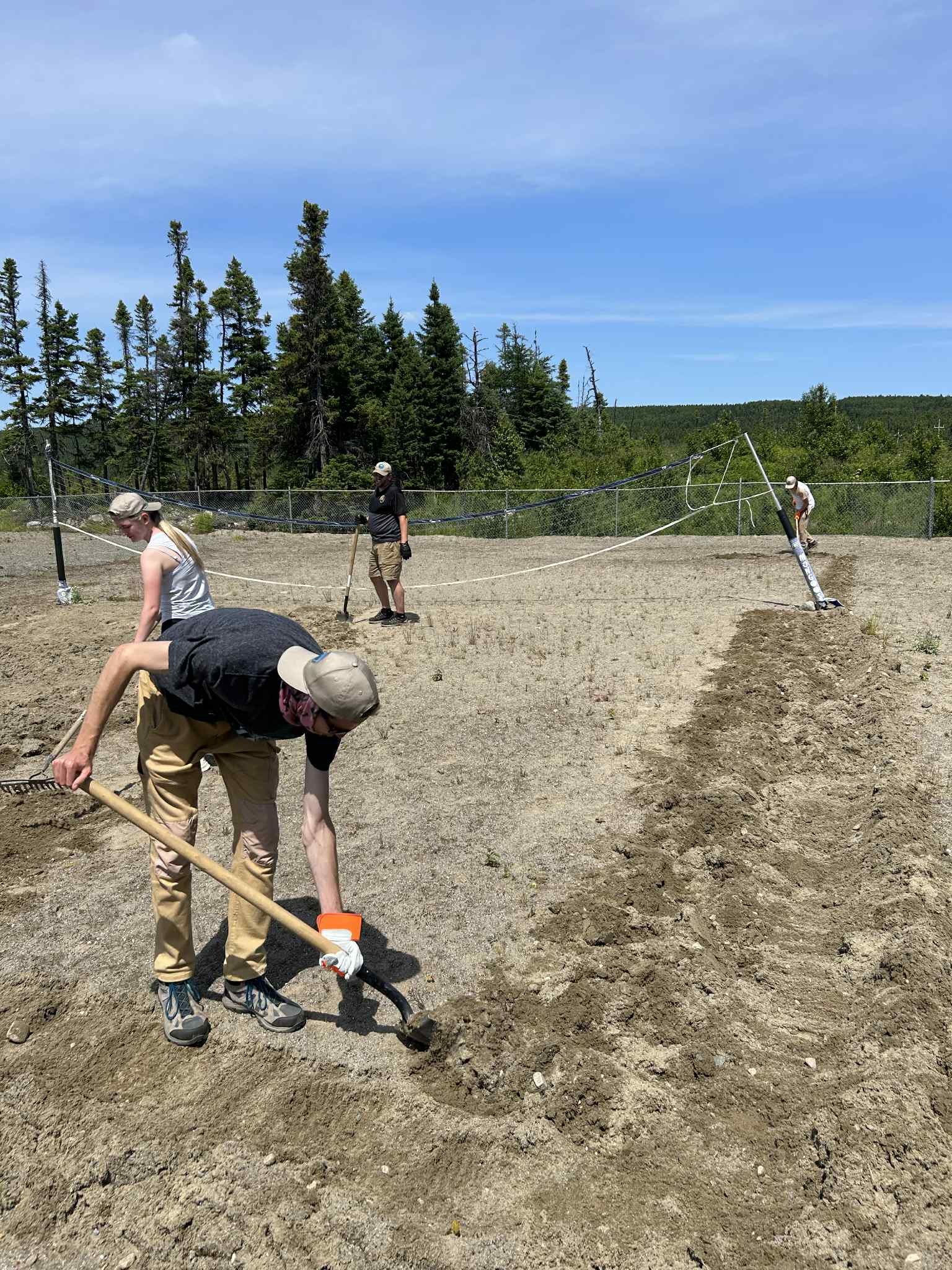
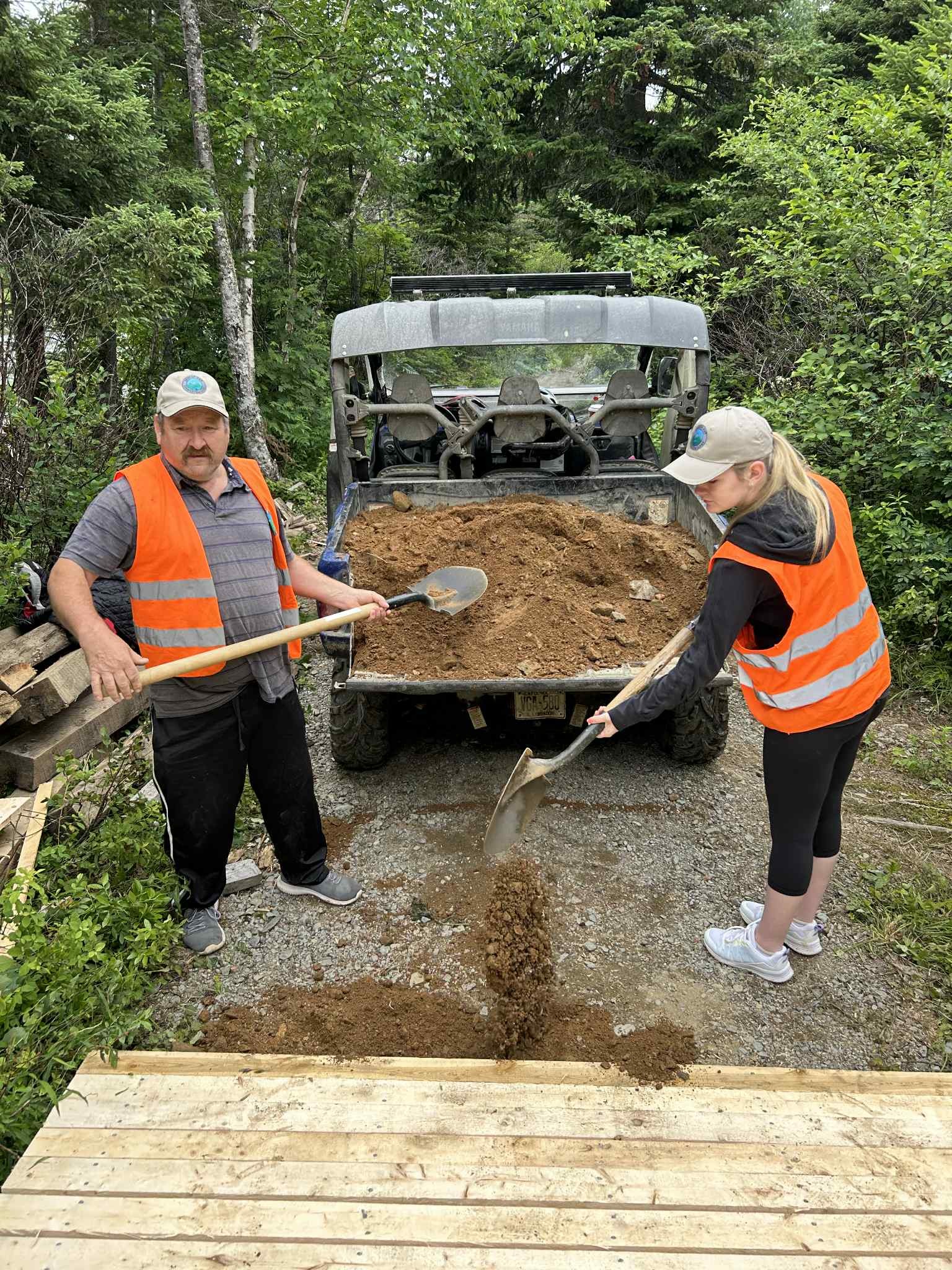
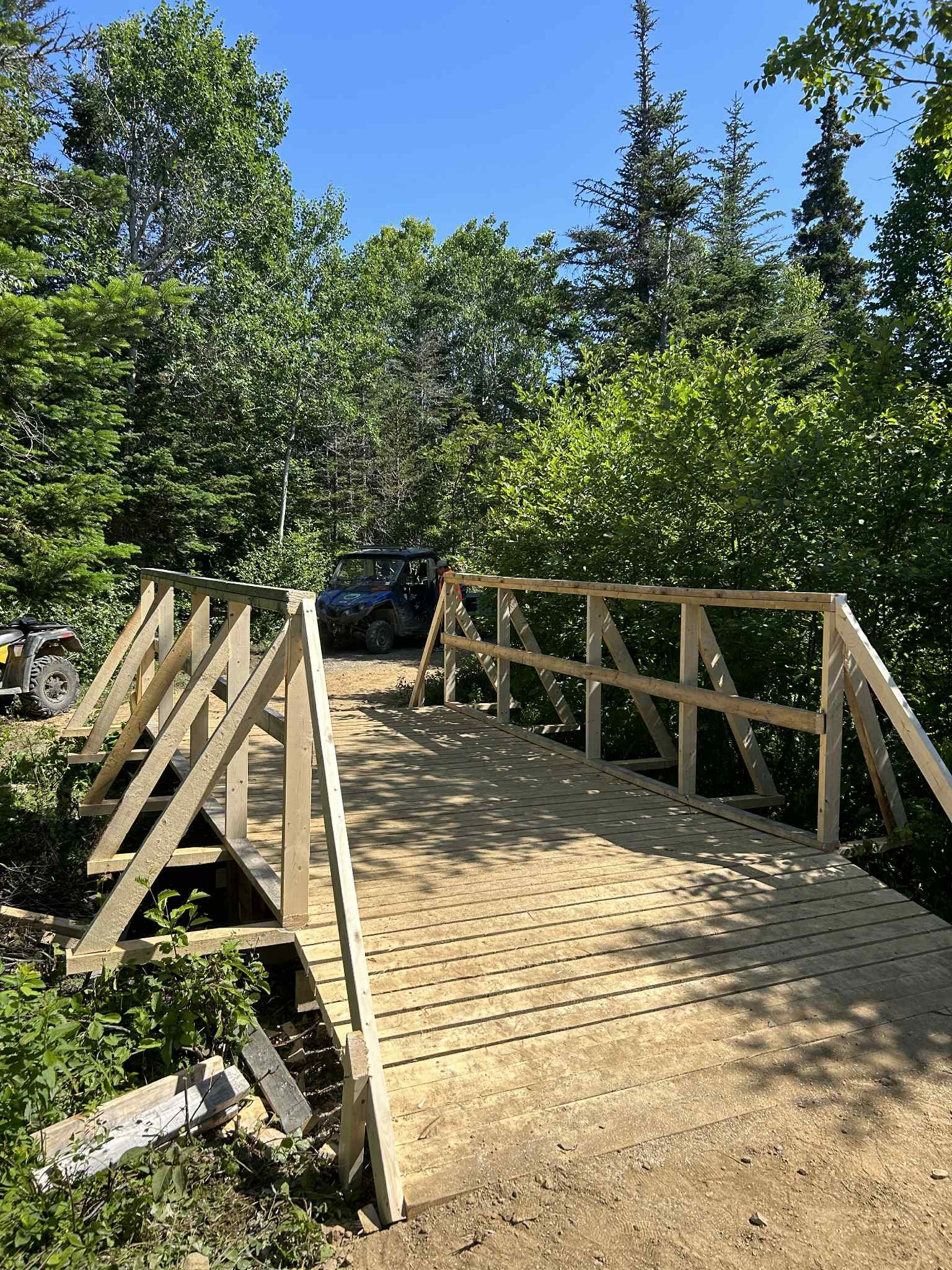
A few different things were worked on this past week by our youth and team members. The bridge that we were replacing on Heritage Trail is completed, stronger and bigger than before. We then did a quick garbage pickup down Cape Freels to support our CNPP Project. Once that was done, we tackled some brush that was making it hard to exit Country Road onto the highway. Can see a lot better now! And after that, we started work on the beach volleyball court in Indian Bay Park, with some big plans that we’ll announce in a week or two! Pfft 
We’ll continue work on the trail in another capacity and volleyball court this week.






July 7th, 2025 – New Employees Alert 
IBEC would like to welcome two new Field Technicians to our crew for this field season! Both will be heavily involved in our Green Crab trapping in Bonavista and Notre Dame Bay’s, while supporting project work in Cape Freels and Indian Bay.
Timothy Juvonen is originally from the prairies of Manitoba, but has frequented the rugged shores of Newfoundland 

 with his roots running deep here — as his mother’s family is originally from Fogo Island (the Browns from “The Point”), and he has explored many corners of this incredible province. He looks forward to working in the beautiful landscape of Cape Freels and exploring another corner of this province.
Katie Miller is from St. John’s and has recently completed a Bachelor’s of Science in Marine Biology at Memorial University. She is an avid hiker, birder, forager and wildlife photographer, who works to weave together the disciplines of art and science. With a lifelong passion for the natural world, she’s excited to get in the field and help contribute to the important research being done in Cape Freels and the Notre Dame Bay area.
The Board, management, and staff of IBEC welcomes Tim and Katie on board for a busy field season! 
June 16th, 2025 – Latest 709 Watershed Podcast Episode Now Available! An Interview With Our Own Jessica Vincent!
On this episode, host Darren Sheppard speaks with Indian Bay Ecosystem Corporation’s Project Coordinator Jessica Vincent. Jessica has been with IBEC for over 18 months, with her work mostly focused on the Community Nominated Priority Place project in Cape Freels and Queen’s Meade (Newtown). We discuss details about the project, plus other work that she is involved with, such as the Green Crab research in Bonavista and Notre Dame Bay’s.
To listen directly, please visit https://www.buzzsprout.com/546025/episodes/17346465 or bookmark out podcast page on our website at https://indianbayecosystem.com/709-watershed-podcast/

June 2nd, 2025 – Leach’s Storm-Petrel (LESP) Research Begins For Another Year In Cape Freels
Our research on LESP has started for another year within our CNPP Project area in Cape Freels. Our work focuses on the number of predators that LESP have (and their behaviors), an estimated number of LESP that frequent the area, determining the colony or colonies the LESP are from, and number of depredated birds that predators consume annually.
Utilizing nighttime surveys and technology, our research has helped our colleagues with the Canadian Wildlife Service with their own studies on LESP in Newfoundland, while allowing us to further our own CNPP work.
This Community-Nominated Priority Place (CNPP) for Species at Risk project, based in Cape Freels, is undertaken with the financial support of the Government of Canada through the federal Department of Environment and Climate Change.

May 19th, 2025 –  Big news from Cape Freels!
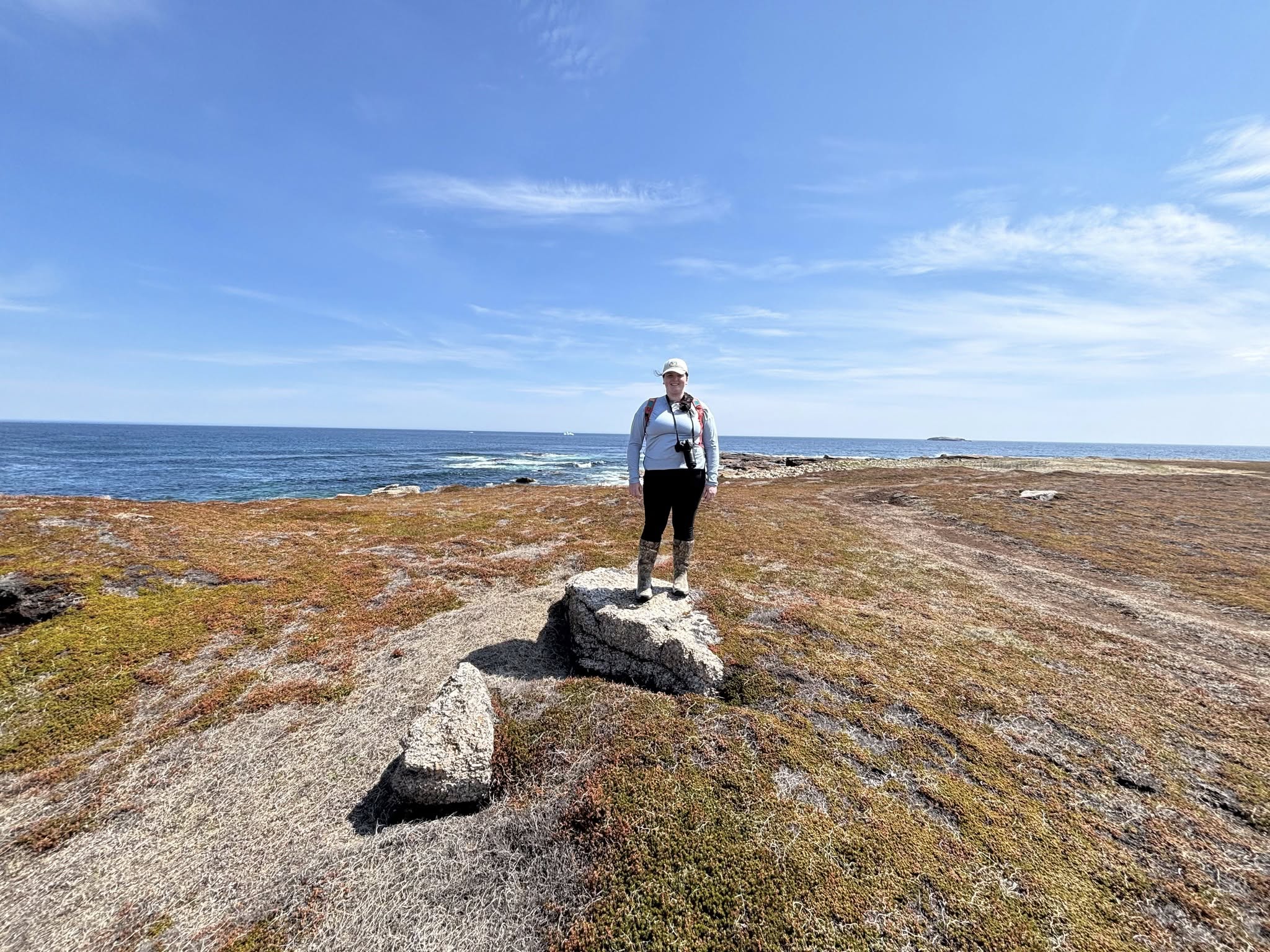
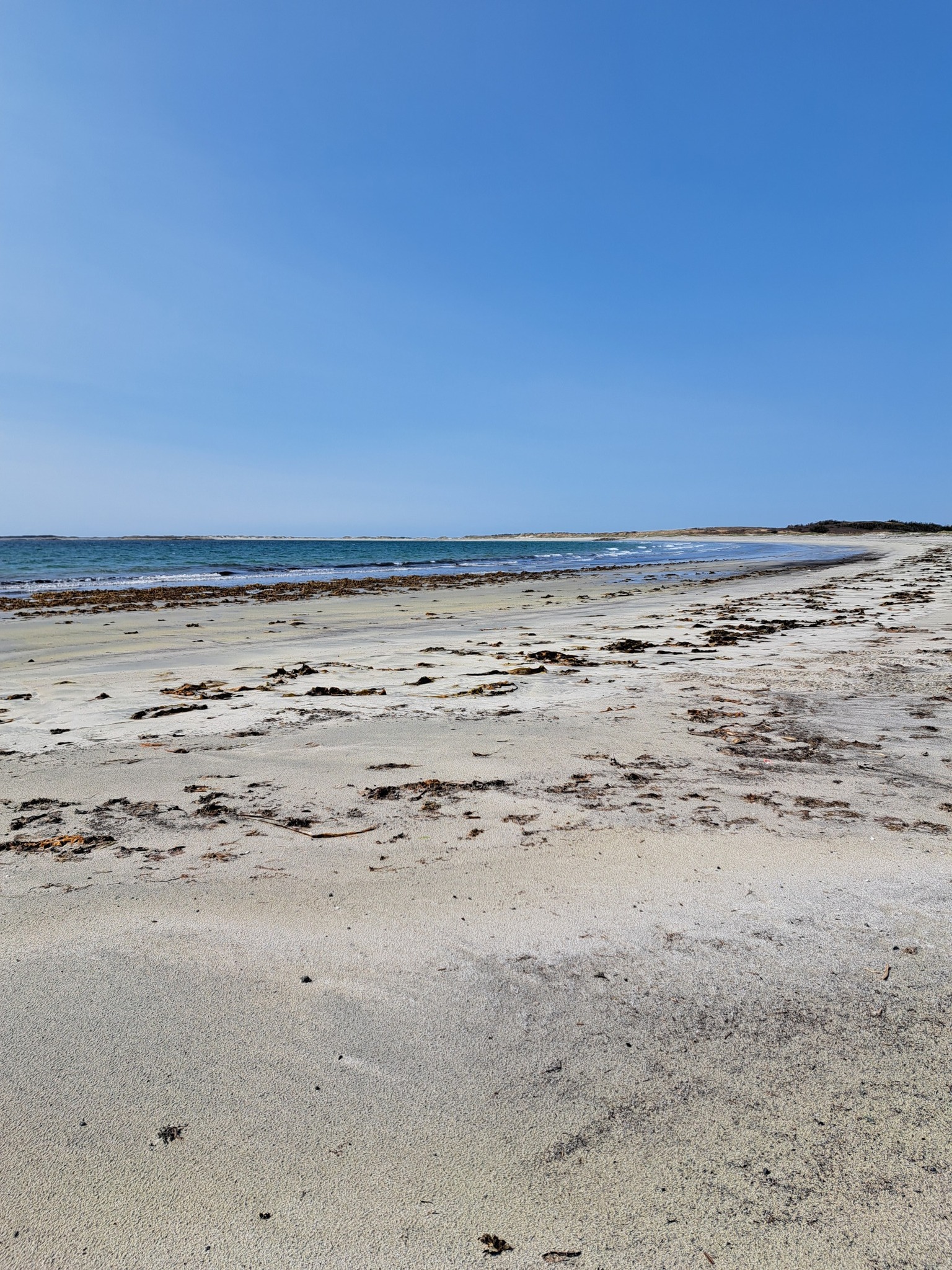
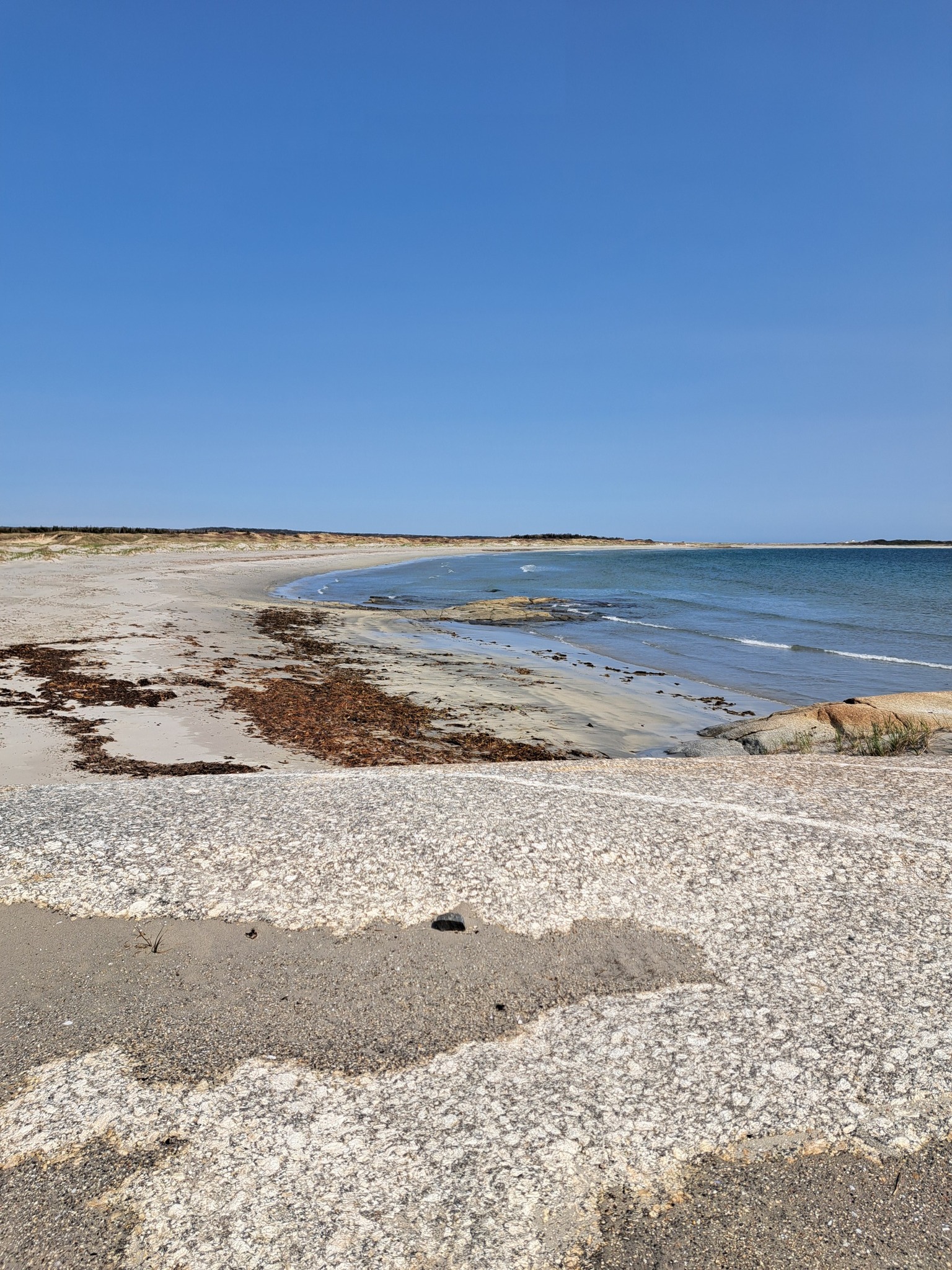
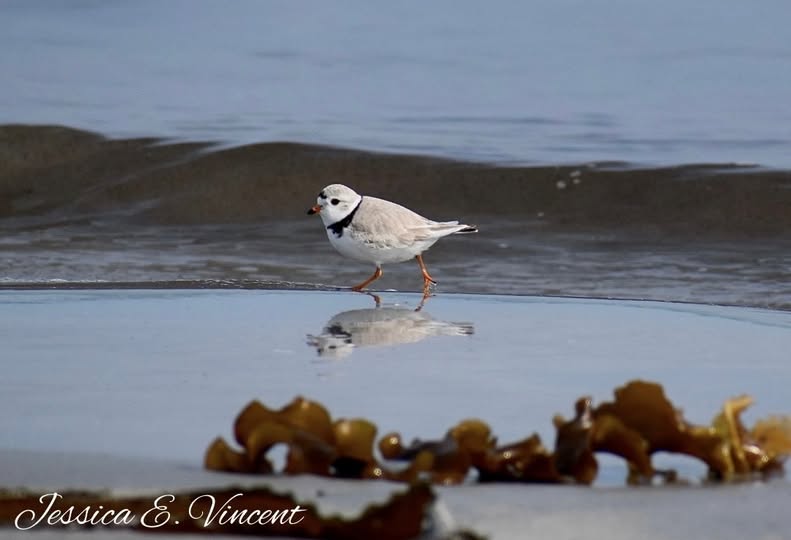
For the first time in over a decade, a Piping Plover has been sighted along the beautiful beaches of Cape Freels!
This marks a huge milestone for the Indian Bay Ecosystem Corporation (IBEC), our Community-Nominated Priority Place project in the area, and the surrounding communities — including Cape Freels, New-Wes-Valley, and the many dedicated local and seasonal visitors who have worked so hard to protect our coastal wildlife. 
This tiny endangered shorebird is incredibly special, so let’s help make its stay a great one! If you happen to spot our feathered guest while enjoying the beach, please give it plenty of space. Like anyone, it doesn’t enjoy being disturbed while relaxing!
Let’s share the shore — so we can all enjoy Cape Freels together. 
If you have any questions or concerns, feel free to send a DM or comment below. And stay tuned: in the coming weeks, we’ll be naming this little visitor 
This sighting is more than exciting — it’s a powerful reminder of what’s possible when communities come together for conservation. From all of us at IBEC, thank you to every local and visitor who helped make this milestone possible. 
April 17th, 2025 – Latest 709 Watershed Podcast Episode – Interview with Mark Hewitt
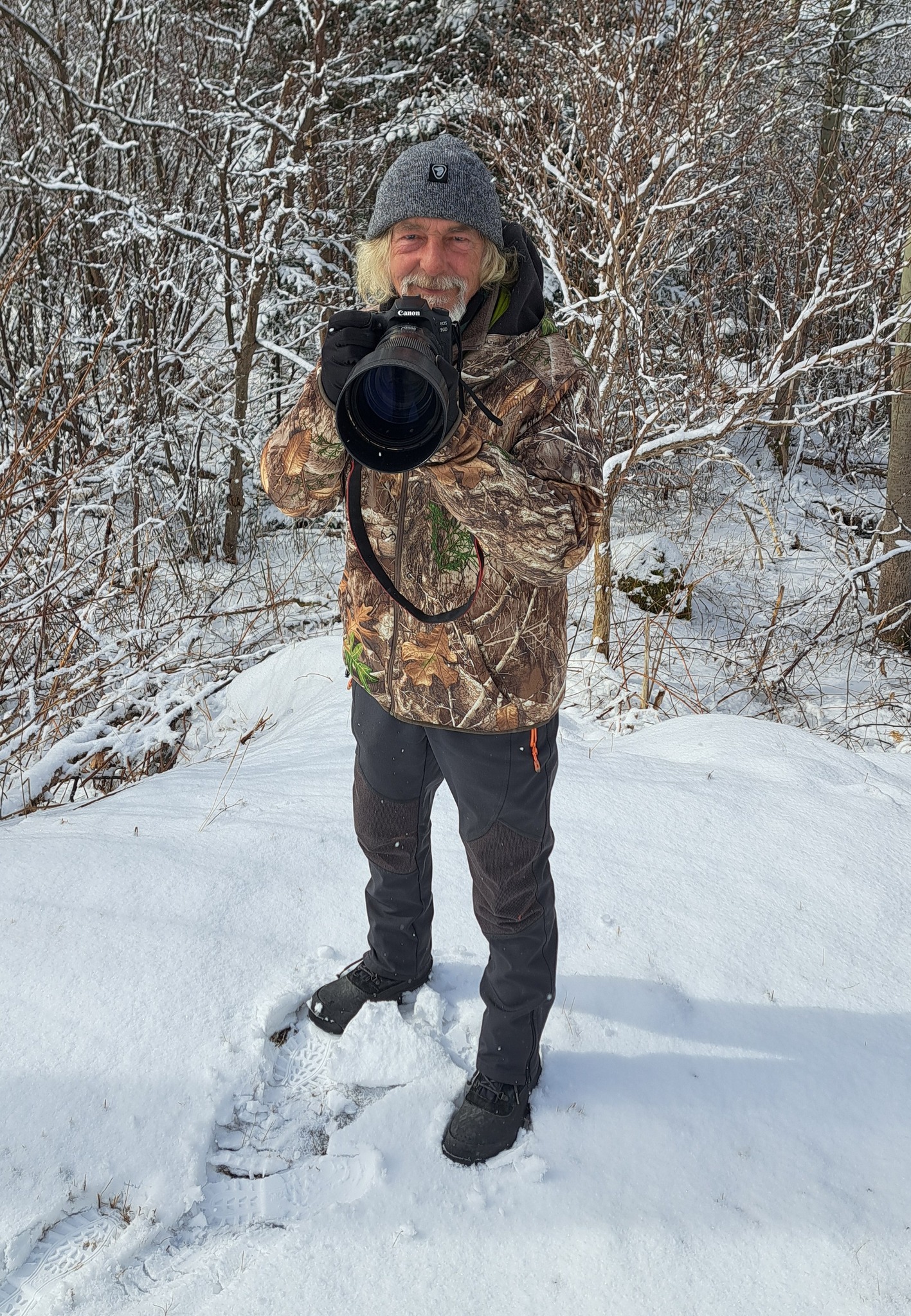
Mark Hewitt is an avid bird photographer, IBEC board member, local theatre participant, and much more! He sat down with 709 Watershed host Darren Sheppard to discuss his love for photography, the environment, his experiences in Newfoundland and Canada, and other topics!
To listen to the interview, click on the link and push the play button!
https://www.buzzsprout.com/546025/episodes/16974140
You can subscribe to all of our shows on all major podcast apps on your favourite device! Or, bookmark out podcast page on our website at https://indianbayecosystem.com/709-watershed-podcast/ where you’ll be able to keep up to date on all of our shows from our five seasons!
March 17th, 2025 – Latest 709 Watershed Podcast Now Available!
After a long pause, the latest episode of the 709 Watershed podcast is available! Host Darren Sheppard interviews Owner/Operators of Back Country Cottages Marilyn and Grant Kelloway. They speak about how they obtained the property, their plans for it, and more! Listen to it directly at https://www.buzzsprout.com/546025/episodes/16791515 or download the show on your favourite podcast app!
Check out Back Country Cottages on the web at https://backcountrycottages.com/ for more information and to book your stay!
If you’d like to catch up on some of our previous episodes, the full lineup is available on our website at https://indianbayecosystem.com/709-watershed-podcast/ We’ll continue to release new episodes monthly, so make sure to follow our social media for updates as they become available!

Indian Bay River Trail Restoration – Funding Approved
June 17th, 2024 – IBEC is proud to announce that it has received $43,471.00 in funding from the FCAS – FCSA to assist with restoration work along the Indian Bay River. This work includes installation of rock walls, bridge installation, removal of debris, reduction methods in trail flooding, removal of excess pulp wood, and other related work.
This work will allow for the extension of the Heritage Trail, provide easier access to pools upstream for Salmon angling, provide hikers with a totally new experience in the area, and open-up areas that IBEC can conduct future restoration work and research on Indian Bay River. Social media updates will be provided as the work begins this week and throughout the next several months.
IBEC would like to thank the NL Advisory Committee and the Board of Directors of the Foundation for Conservation of Atlantic Salmon, for the approval of the funding for this season.

Long Range Biodiversity Workshop – Corner Brook
December 18th, 2023 – Last week, IBEC was invited to attend the Community-Nominated Priority Place for Species at Risk: Western Newfoundland workshop held at the Glynmill Inn in beautiful Corner Brook and organized by Intervale Associates. The workshop brought together stakeholders that contribute to the CNPP based on the west coast, however, elements of our CNPP Cape Freels project were also there to present.
Polar Bear expert Duane Collins of Hare Bay Adventures provided an overview regarding Polar Bears and potential human interaction with them. Duane will continue to work with Intervale and their CNPP project by providing training to staff and interested parties on specific Polar Bear safety, especially when Polar Bears come down from Labrador and commonly are encountered on the Great Northern Peninsula.
IBEC’s Executive Director Darren Sheppard presented about our CNPP Cape Freels project, providing an overview of our research, what has been learned over the past four years, and what we have planned moving forward. It was also the first public showing of our new Owl mascot, that we have yet to name, that’ll be used for school presentations. Short-eared Owls are one of our Species at Risk in Cape Freels, and the Owl costume will allow younger students to have a strong visual presence to connect the information provided in presentations. Intervale also utilizes different bird heads to show students the difference in birds and provide that visual presence.
IBEC would like to thank Intervale and all of the stakeholders for the invite and the opportunity to present at the workshop, and looks forward to future collaboration.
This Community-Nominated Priority Place (CNPP) for Species at Risk project, based in Cape Freels, is undertaken with the financial support of the Government of Canada through the federal Department of Environment and Climate Change.


 Indian Bay Ecosystem Corporation (IBEC)